
Release date
Field Research Around Qaanaaq Coast, Northwestern Greenland 2026
Table of contents
Research teams of the Research Program on Coastal Community in the fields of marine, glaciers/ice sheet, land/atmosphere, humanities, or others conduct a variety of research observations around Qaanaaq in northwest Greenland from July to September 2026. Please enjoy reports from the research teams along with photos.
Field campaign at Bowdoin Glacier
Post Date:
Author: Kotaro Yazawa (Hokkaido University), Shuntaro Hata (NIPR), Shin Sugiyama (Hokkaido University)
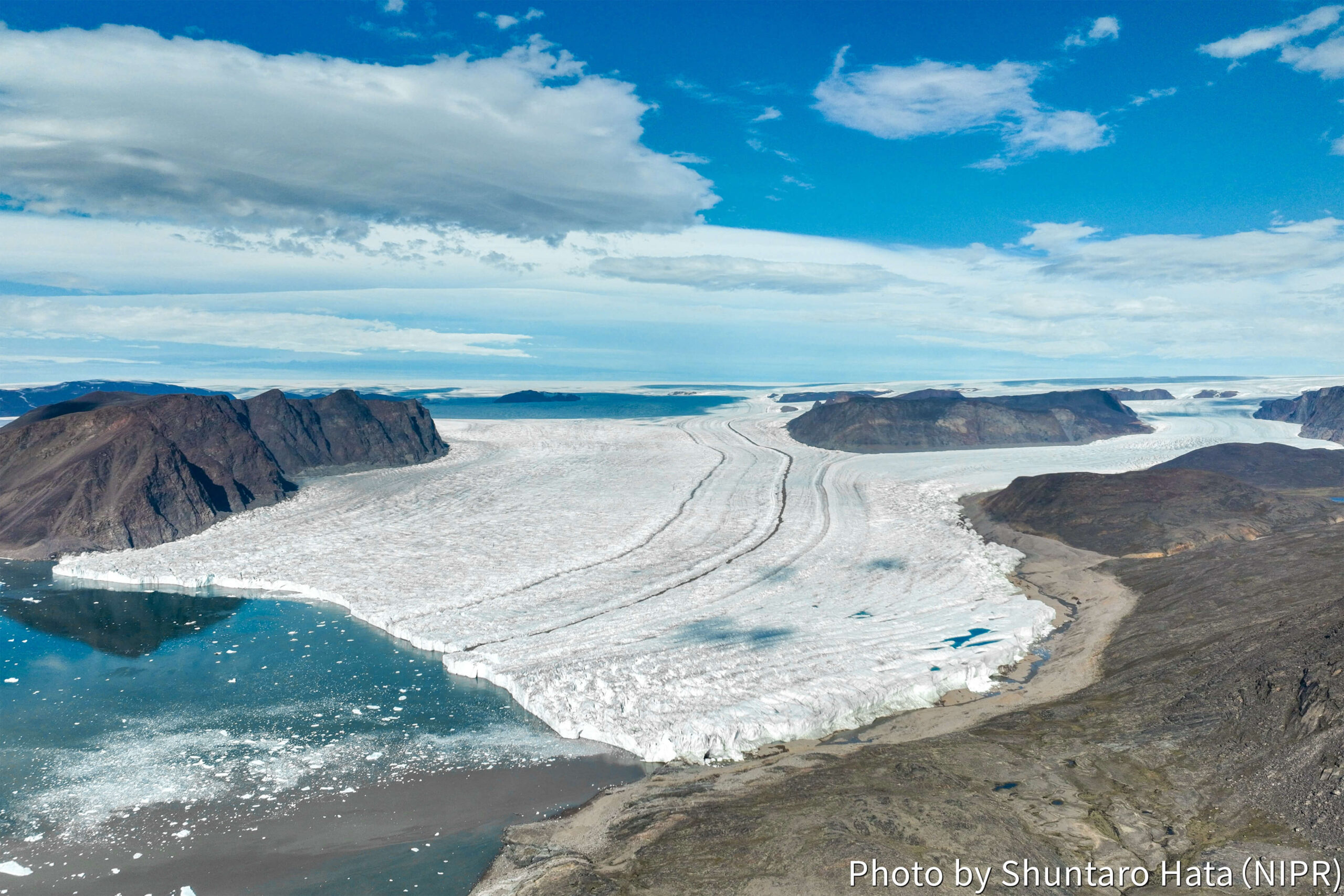
Glaciers that flow into the ocean are melting rapidly in northwestern Greenland. Calving (icebergs production) is an important process to better understand how these glaciers change. From to , we established a camp near Bowdoin Glacier, one of marine-terminating glaciers near Qaanaaq, to conduct field observations (Photo 1).
We got help from local hunters to access the study site by boat. We learned from the hunters how to handle rifles to protect us from polar bear (Photo 2).
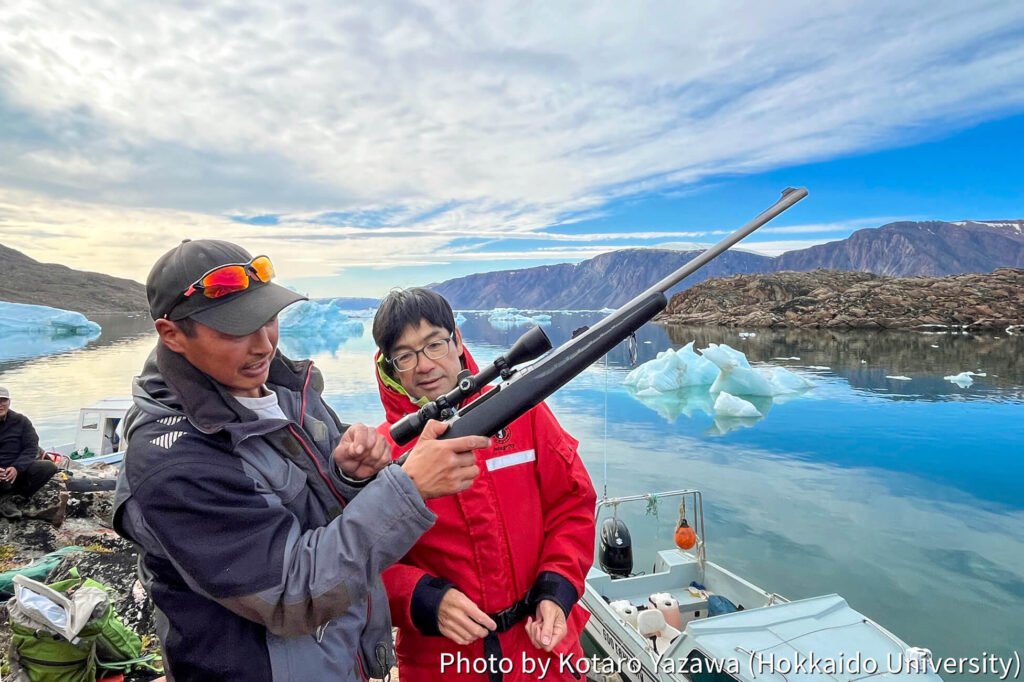
Photo 2: Rifle training
To investigate short-term glacier changes, we surveyed the glacier terminus area every two hours with two drones (Photo 3). The high-frequency survey allows us to study calving events and plumes—upwelling currents generated by meltwater discharge from the glacier base (Photos 4 and 5). We are also interested in how tides affect the glacier motion and calving frequency. Besides drones, Interval cameras and acoustic sensors were installed to take photographs every minute and to record the sound of calving, respectively. The data tell us how often calving occurs.
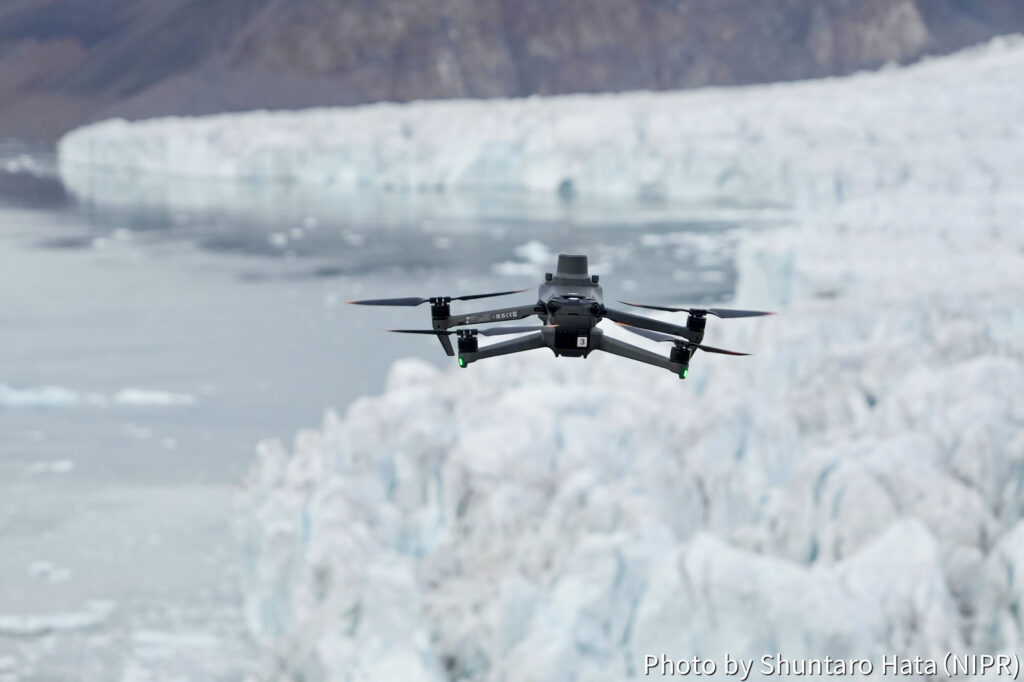
Photo 3: Drone survey
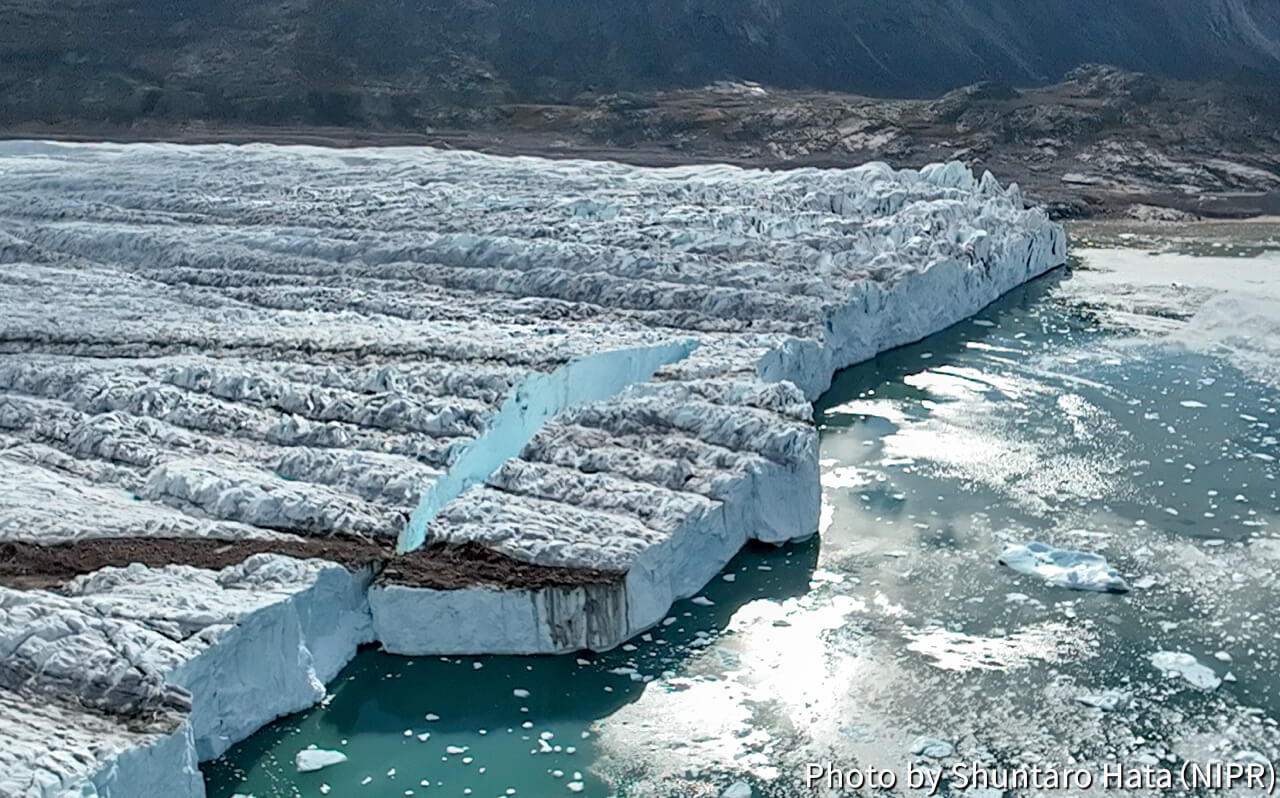
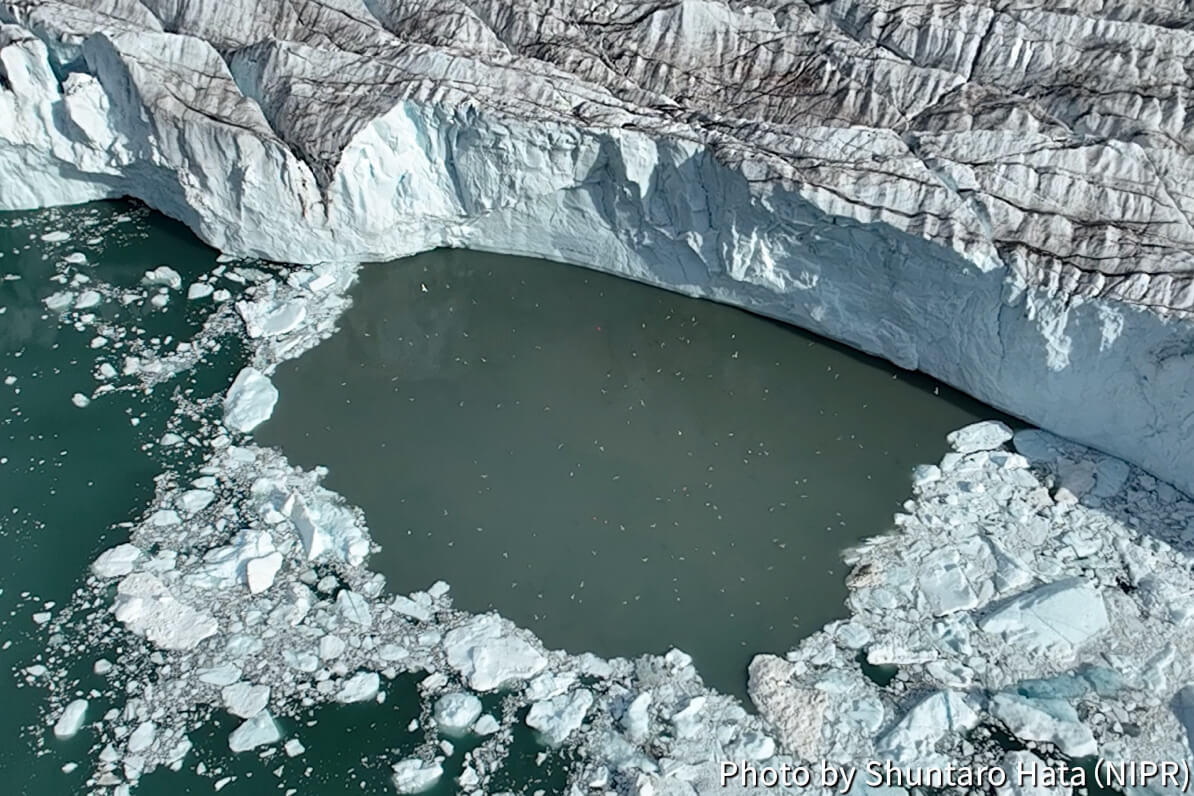
I was deeply impressed by the gigantic and dynamic ice flowing into the ocean. At the campsite, surrounded by the sounds of breaking ice and calling seabirds, I felt like being embraced by the wild nature of Greenland (Photo 6). The experience in the field motivates me to analyze the data and better understand the processes controlling the glacier.
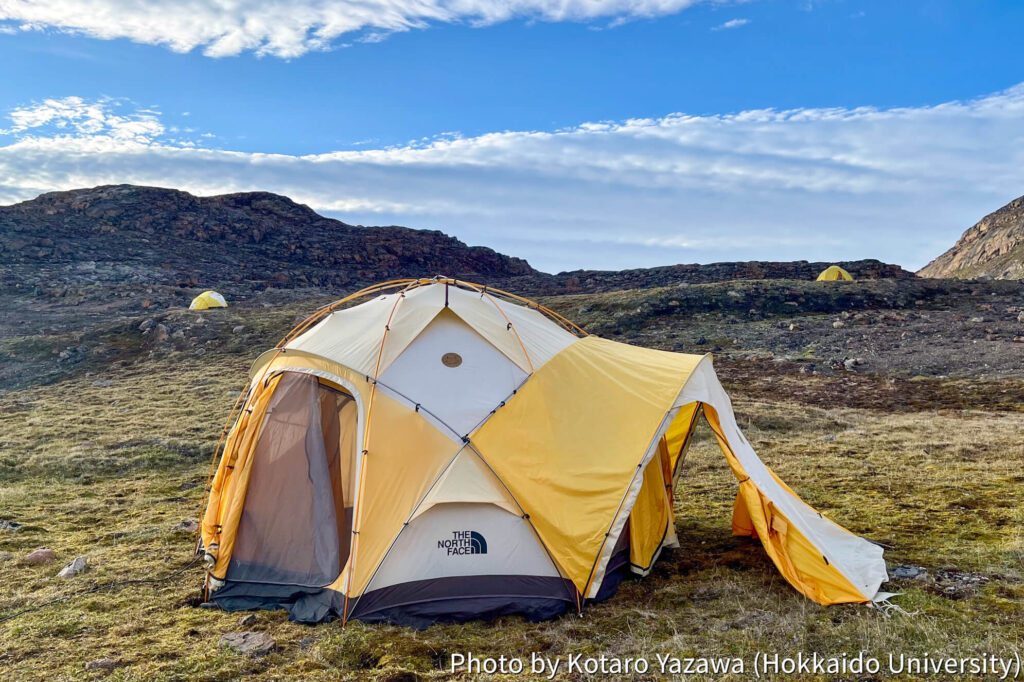
Photo 6: Campsite
Investigation of Glacier Microbes and Minerals in Qaanaaq, Northwestern Greenland
Post Date:
Author: Furlong Ethan Jack (Hokkaido University)
I am a first-year international master’s student from Canada studying at Hokkaido University. This was my first visit to Greenland. I travelled to Qaanaaq with my supervisor, Professor Jun Uetake, to investigate minerals and microbial communities living on glacier surfaces.
My research focuses on whether the composition of nearby minerals affects the structure of glacier microbial communities. To investigate this, I conducted an incubation experiment directly on the glacier. Microorganisms collected from Qaanaaq Glacier were incubated with minerals obtained from the glacier moraine, the Greenland Ice Sheet and ancient minerals collected from dark bands within the glacier ice. By analyzing the samples over time, I hope to understand how prolonged exposure to different minerals influences these microorganisms.
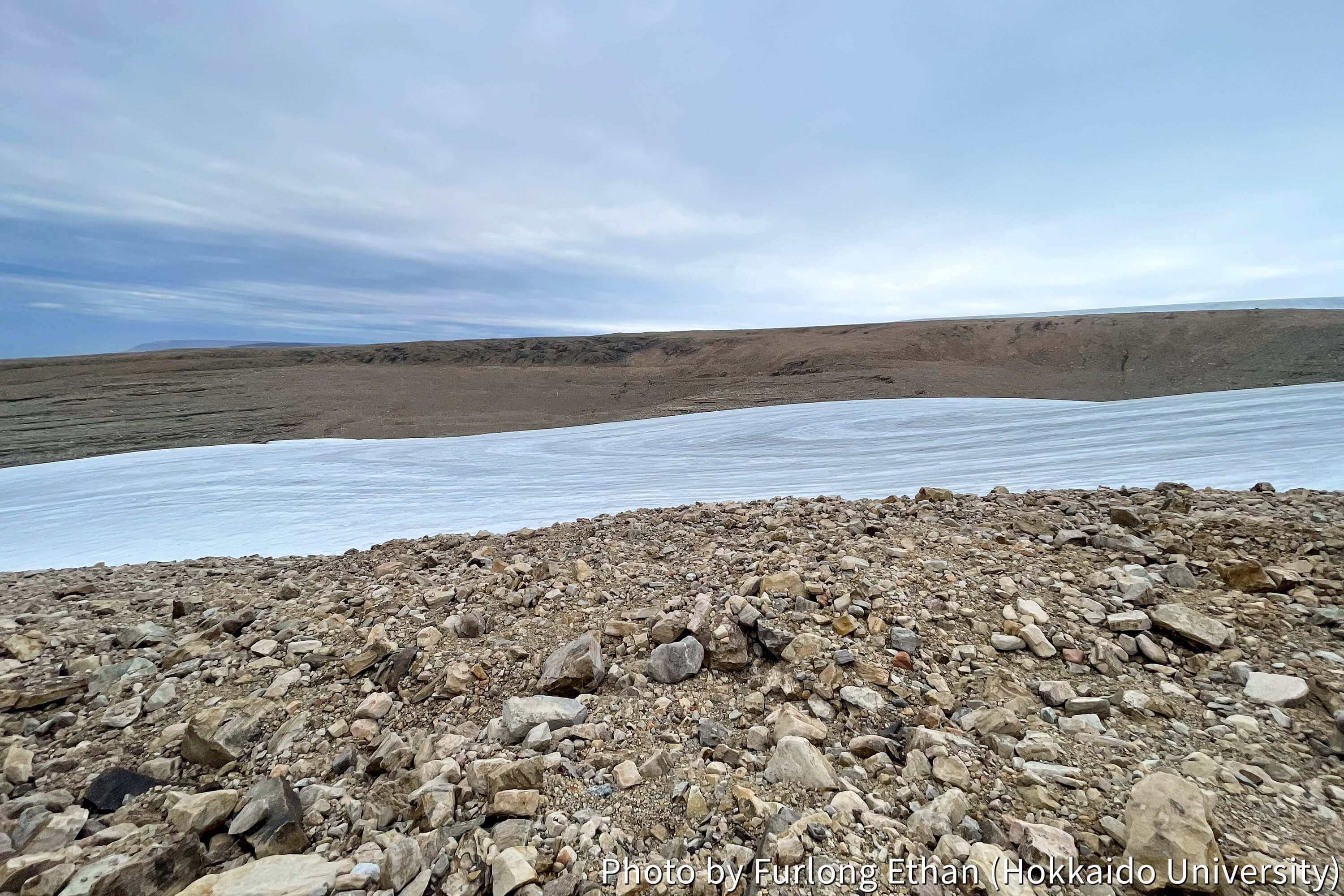
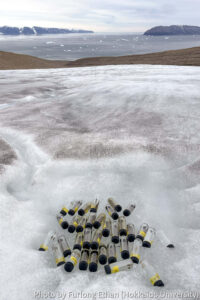
Photo 2: Incubation experiment on Qaanaaq Glacier
Qaanaaq Glacier contains alternating light and dark bands whose formation and coloration are not yet fully understood. Mineral particles may be one factor contributing to their darker appearance. To investigate these bands, we used an electric chainsaw to remove blocks of ice from the glacier. The mineral material collected from these ice block samples will be analyzed in detail and was also used in the incubation experiment on the glacier.
I also collected ice surface samples at several locations across Qaanaaq Glacier. In addition, Professor Uetake is interested in microbial communities around Qaanaaq village. Therefore, daily air samples were collected, as well as samples from the ocean and nearby meltwater streams.
Before leaving Qaanaaq, I visited Qaqortaq Glacier at the Bowdoin Fjord to collect additional glacier-surface samples and minerals. This glacier was especially interesting because it is surrounded by iron-rich minerals, giving the surrounding landscape a reddish appearance. The nearby ocean and meltwater also appeared dark reddish-brown.
Overall, my stay in Qaanaaq was very valuable for my research. I learned a great deal about glacier microorganisms and Arctic fieldwork. I also had the opportunity to experience Greenlandic culture and meet many residents. Building these relationships is important so that researchers and communities can share knowledge and so that I can eventually communicate my findings with the people who live there.
White Qaanaaq ice cap in 2026 summer
Post Date:
Author: Motoshi Nishimura (Shinshu University)
I am Motoshi Nishimura from Shinshu University and a member of the Meteorology Group of the Glacier Team of the Coastal Communities Project.
As a member of the Glacier Team’s advance party, I departed Japan on June 29 and arrived at our research base in Qaanaaq on July 2, just as planned. For me personally, this is my fourth visit to Qaanaaq and my first in two years. As always, Qaanaaq Village is cool, calm, and peaceful. If interested, please have a look at my previous field reports here (2024 Greenland Cryo project):
This summer, the Meteorology Group is conducting maintenance of the Automatic Weather Station (AWS) installed at an elevation of 950 m on “Qaanaaq ice cap” (SIGMA-B Site: Photo 1), north of Qaanaaq. We are also carrying out field surveys to observe the snow cover and ice conditions on the glacier surface.
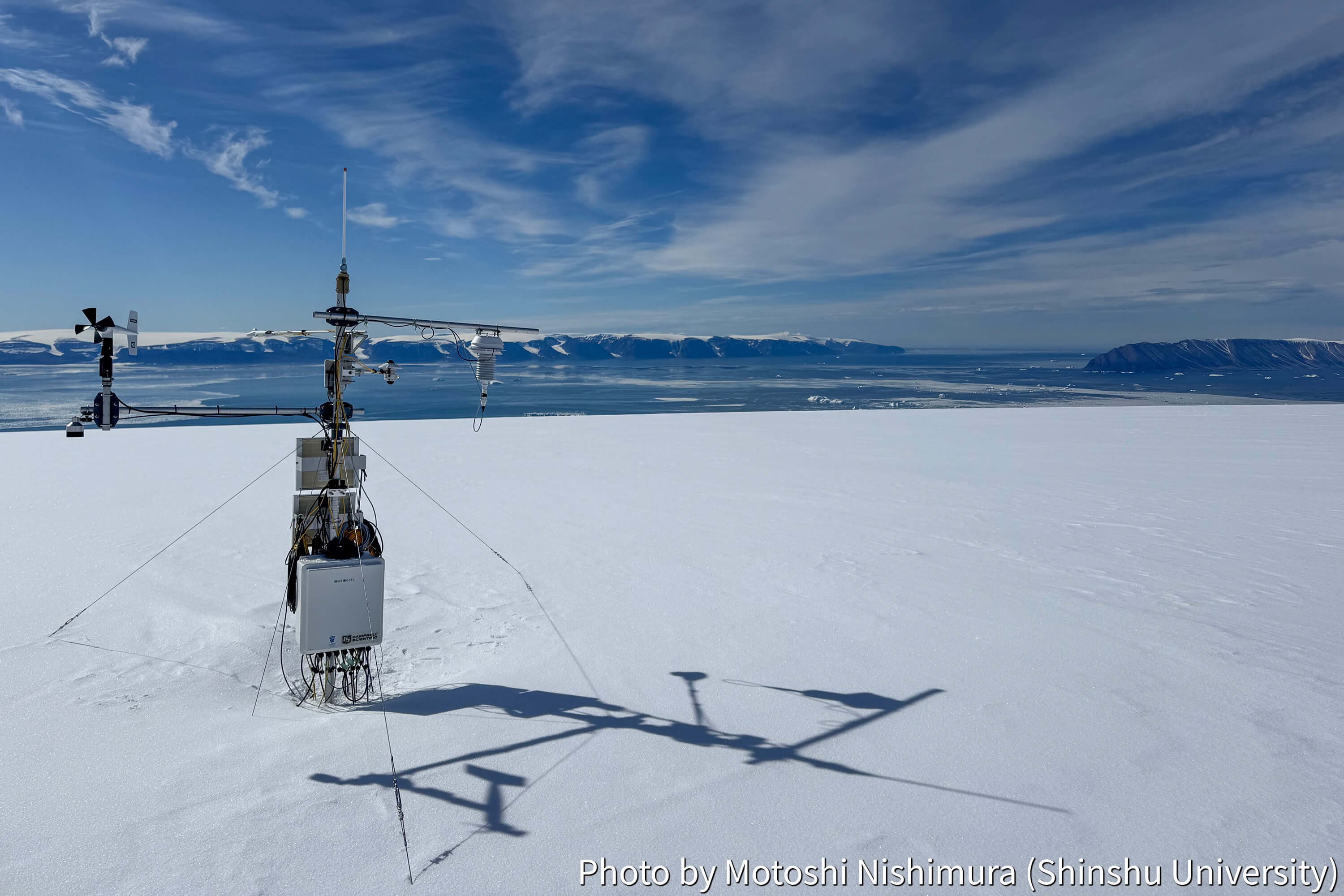
Photo 1: SIGMA-B Automatic Weather Station site located in Qaanaaq ice cap
We visited the SIGMA-B site on July 4, where the snow depth was approximately 90 cm. At the same time in 2024, there was almost no snow. I’m surprised by the year-to-year differences in snow accumulation and glacier surface conditions.
The data retrieved at the SIGMA-B (Figure 1) indicate that air temperatures in mid-June this year were relatively high, while temperatures in early July were low, similar to those in 2025. The change in relative surface elevation, with the surface elevation on June 1 set to 0 cm, shows that almost no melting occurred this year (2026) as of the time of writing (July 17). This contrasts not only with 2023, when there was significant surface lowering due to glacial melting, but also with 2024 and 2025, when melting was minimal.
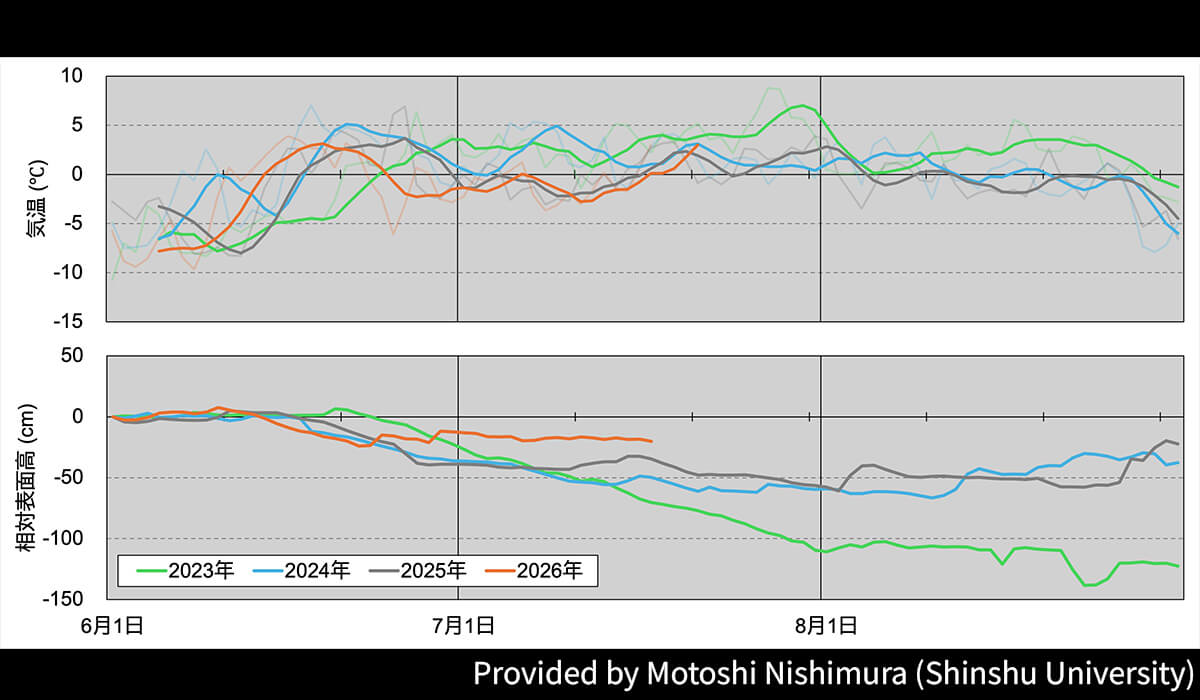
Figure 1: Temporal variation of daily air temperature and relative surface height (preliminary result)during the summers (June–August) in between 2023 and 2026.
As the observation data show, temperatures have been low and it was mostly cloudy during our stay this year. We will continue our observations while closely monitoring the weather and glacier conditions to see whether rising temperatures will accelerate glacier melting, or whether a cool summer will limit significant melting.
Greenland observation started!
Post Date:
Author: Tomohiro M. Nakayama (Hokkaido University)
On July 2, 2026, we arrived in Qaanaaq, northwestern Greenland, as the first group of the ArCS III Coastal Communities Project research expedition and began our fieldwork and observations.
Qaanaaq is about 6,500 km from Japan in a straight line, which is comparable to the distance from Sapporo to Hawaii or India. Although it is closer than North American or European destinations, we actually had to travel nearly 2.8 times that distance over four days to finally reach our destination (Figure 1). During the journey, our flight took us over the North Pole, and we even received “Northern route diploma”, a certificate of crossing North Pole (upper right, Figure 1). Fortunately, the weather was excellent this year, and we reached Qaanaaq without any weather-related delays (lower right, Figure 1).
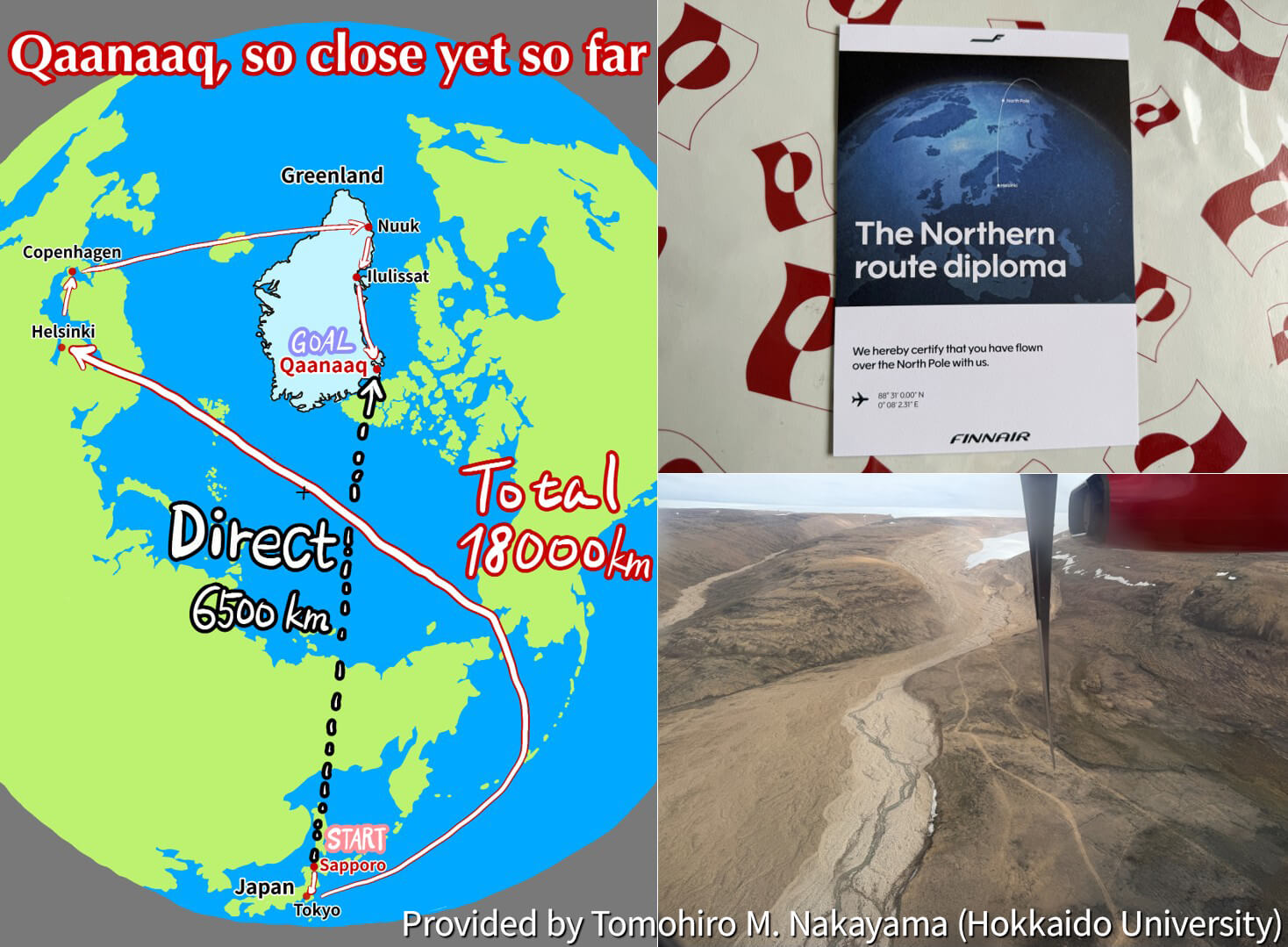
Figure 1: Qaanaaq is 6,500 km away from Japan, however, the actual way to Qaanaaq is extremely far (~18,000km).
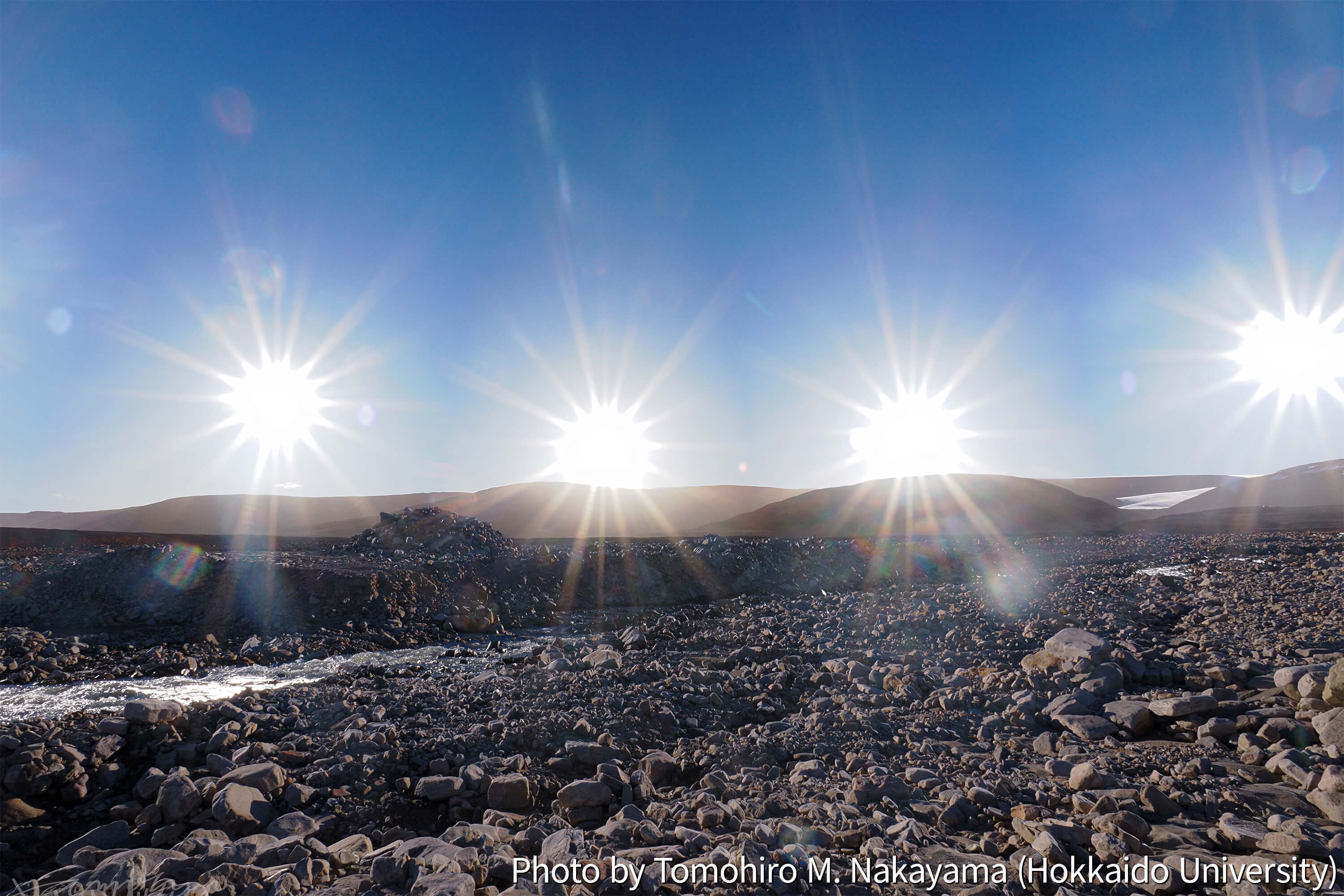
Qaanaaq is located at 77°N. During the summer, the region experiences the midnight sun, when the sun does not set below the horizon (Photo 1). Because it remains bright even late at night, we sleep with the window shades closed or wear eye masks. Temperatures generally range from 0 to 10°C.
When we arrived, the sea in front of the village was still densely covered with sea ice. We were able to walk on the ice, look back at the village from offshore, and observe local people hunting narwhal—an experience that is rarely possible for visitors (Photo 2).
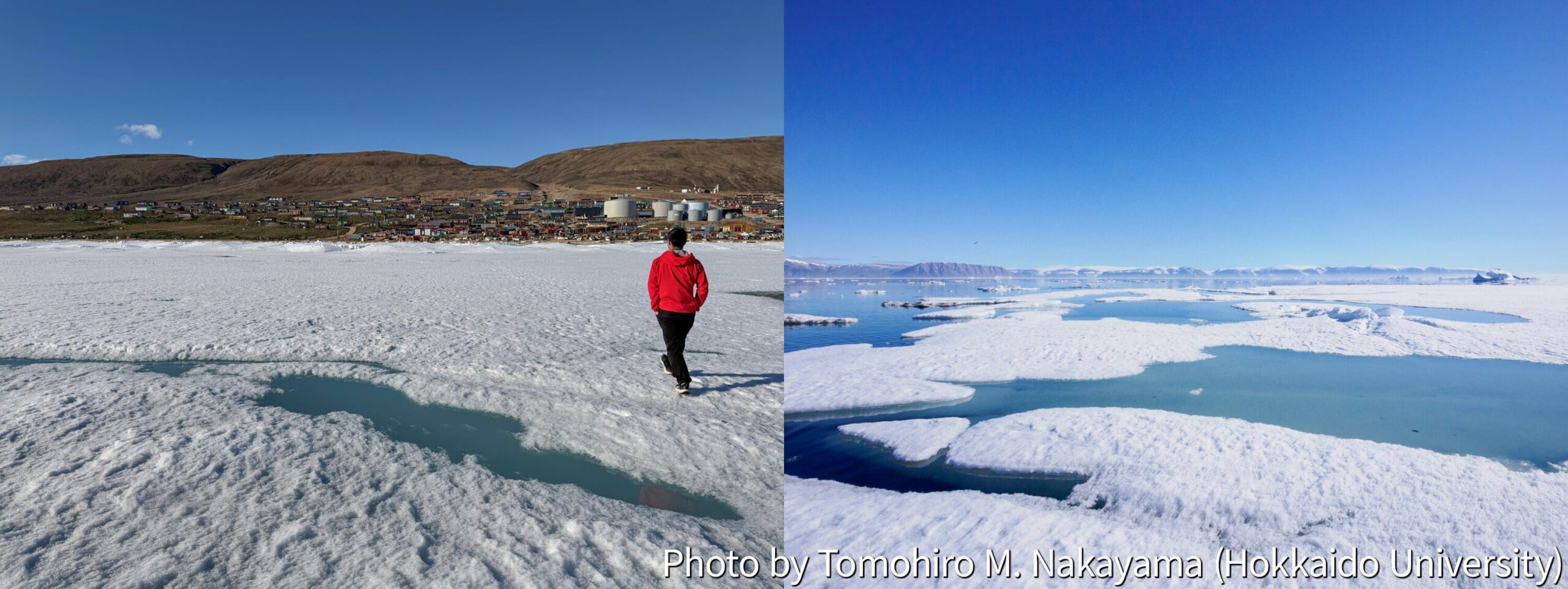
Photo 2: Qaanaaq village from sea ice (right), sea ice in front of Qaanaaq village (left)
We arrived one day before the annual supply ship reached the village, and the shelves at Qaanaaq’s only supermarket were still rather empty. Since then, however, more and more products have become available. During our stay, our members take turns preparing meals for the group. As the supermarket has become better stocked, our meals have also become more varied, giving us something to look forward to after a long day of fieldwork (Photo 3).
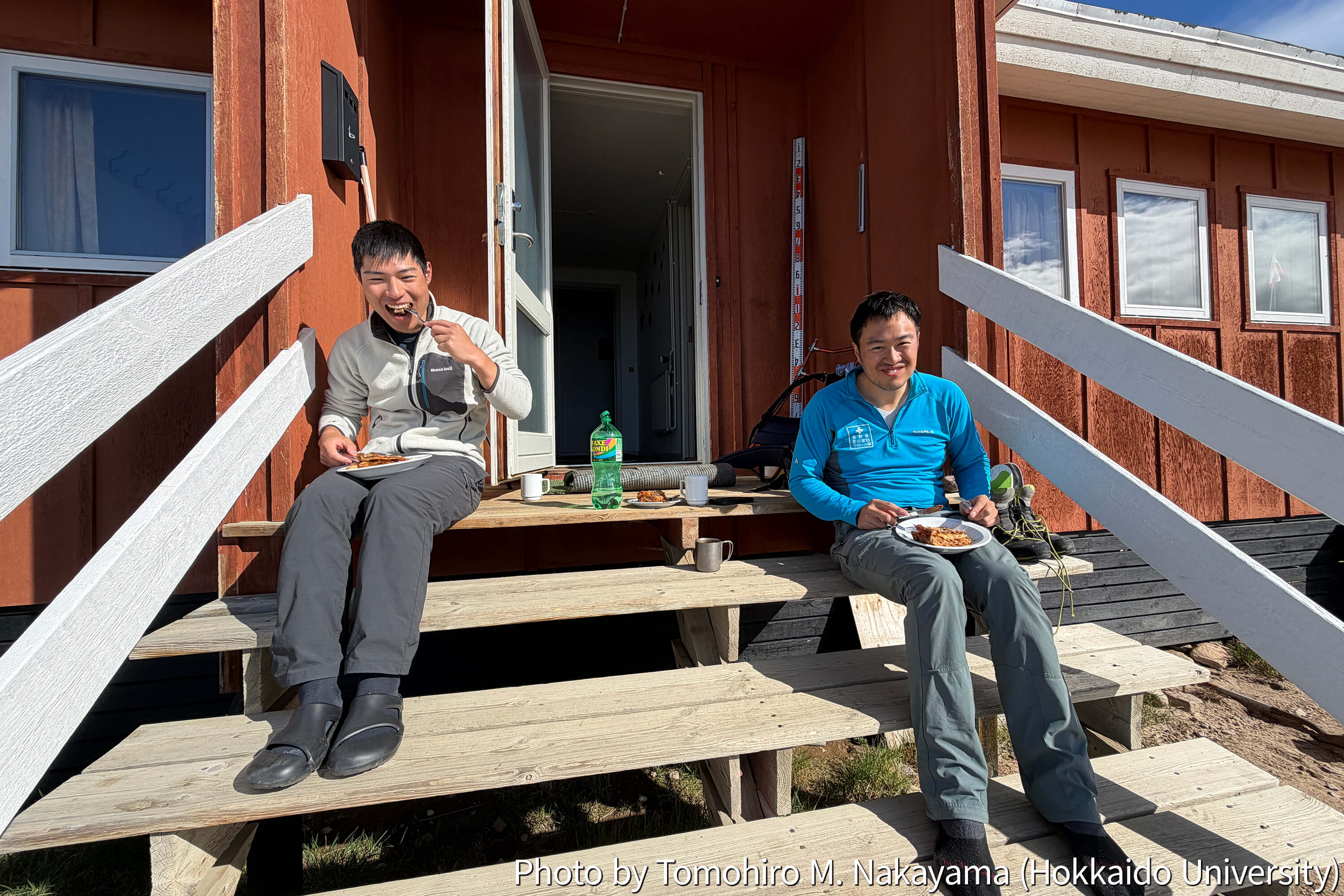
Photo 3: Dinner after the fieldwork is one of the most important things for us, we enjoy the cooking and eating.
At the time of writing, most of the sea ice has disappeared from the fjord in front of the village. Local residents are now taking their boats out and fishing for Arctic char, and the village has become noticeably more active. Keeping pace with this growing energy, we hope to continue making steady progress with each of our research projects.