Release date
A report on the Field Trip to Vancouver Island, Canada
Post Date:
Author: Akihito Tachikawa (Mie University), Mai Yoshimura (Nagoya University)
First Nations living along Canada’s North Pacific Coast once thrived through commercial salmon fishing. However, in recent years, declining salmon populations have made the fishery increasingly difficult. This field trip aims to understand current situations among the First Nations communities facing such difficulties.
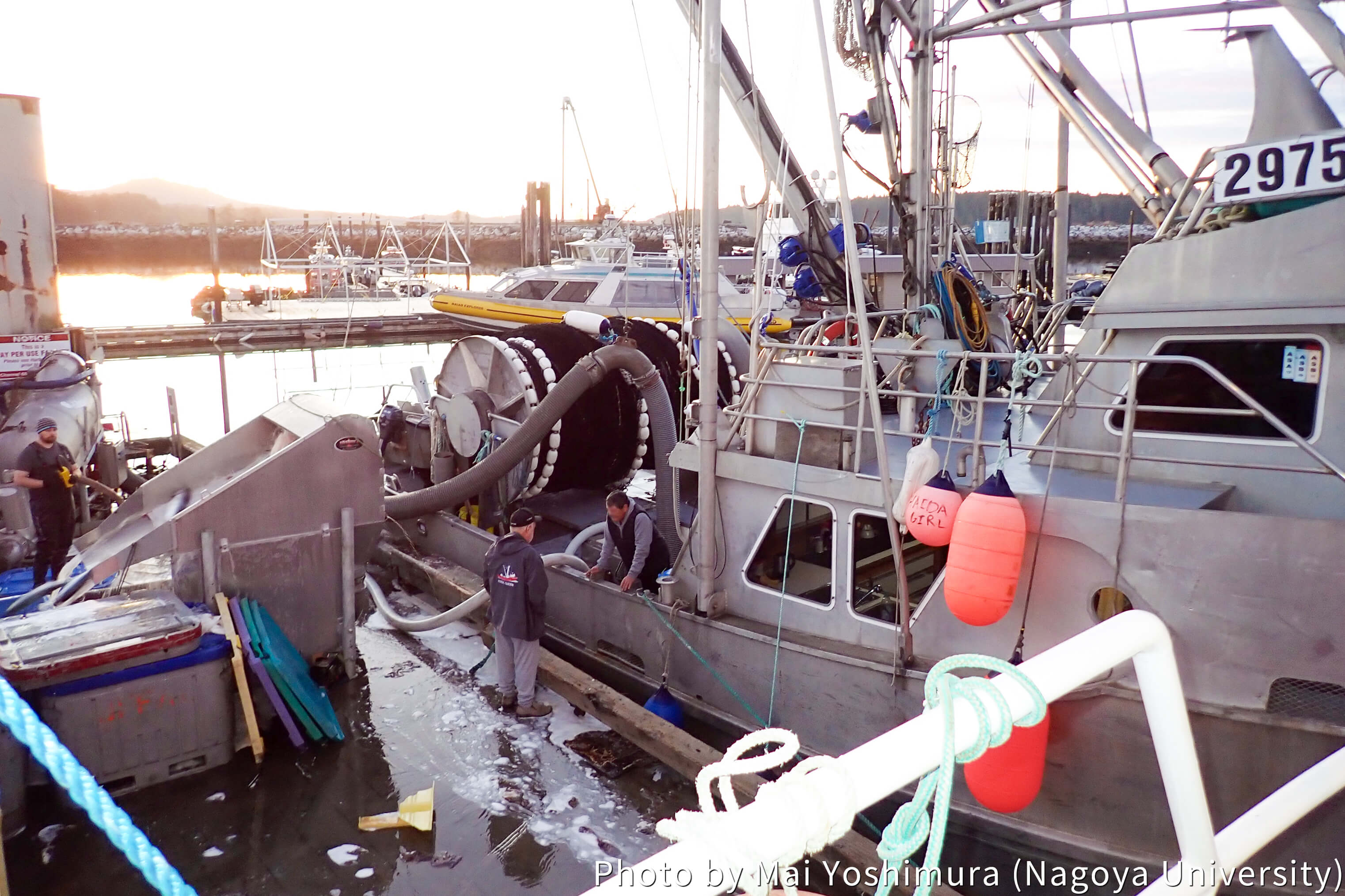
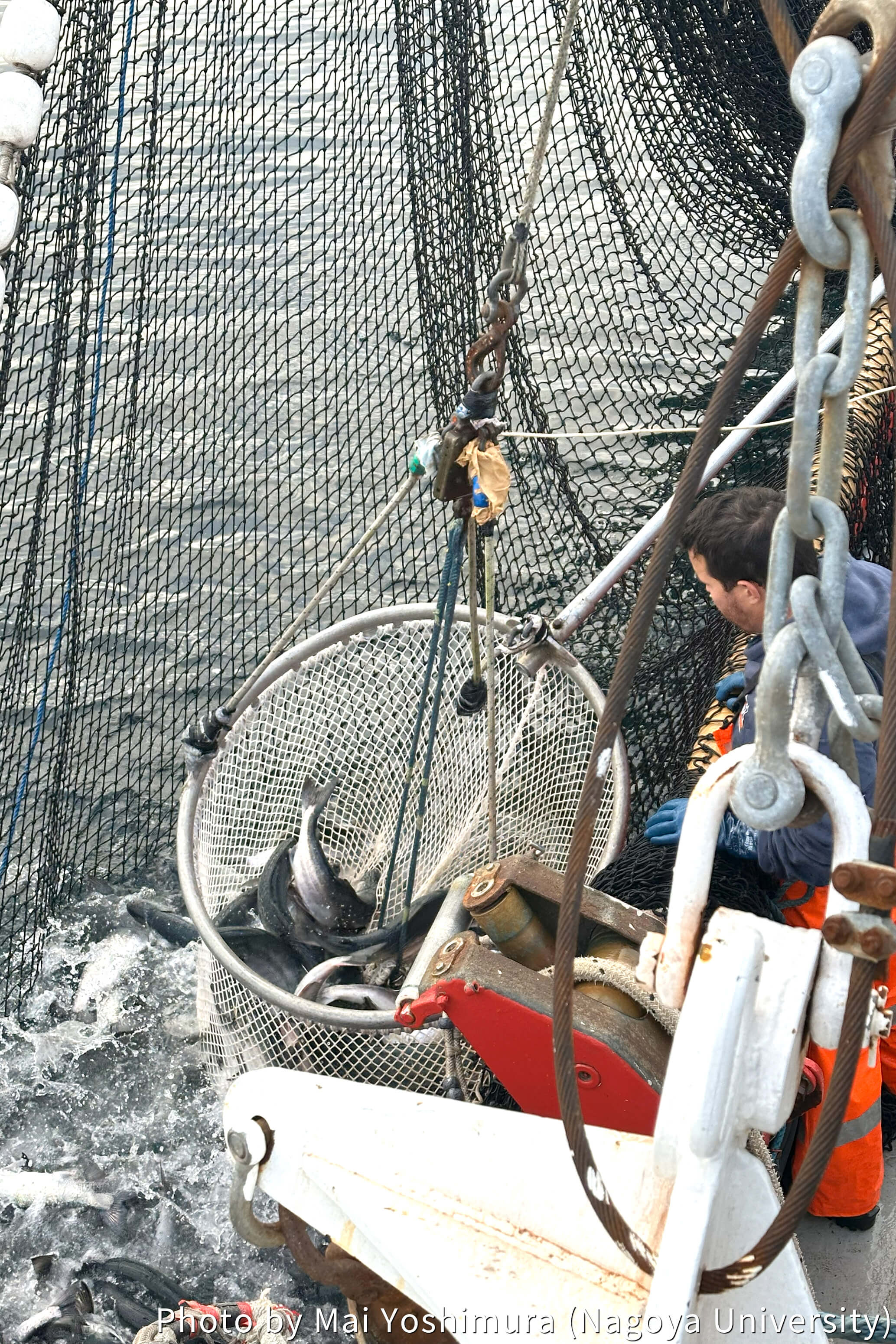
Our first activity was participant observation of salmon fishing conducted by Kwakwaka’wakw fishermen. For Tachikawa, this marked the first participation since the sockeye salmon fishery in the summer of 2006, while for Yoshimura, it was her first experience. This particular fishery is called test fishing, conducted by veteran fishermen commissioned by the Canadian government for data collection purposes. Our Indigenous fisher friend was commissioned for the test fishing, and we accompanied him (Photos 1 and 2).
The fishing took place over 4 days, from to . The location was an area called “Double Bay,” a short distance east of Port McNeill, a town on the northeastern tip of Vancouver Island in the Pacific Ocean. This survey aimed to see if any changes in fishing methods had occurred due to the decline in salmon, but no major changes were observed. However, we did observe some unusual changes, such as the capture of steelhead, which were almost unheard of in October in the past, and an increase in the number of sea lions.
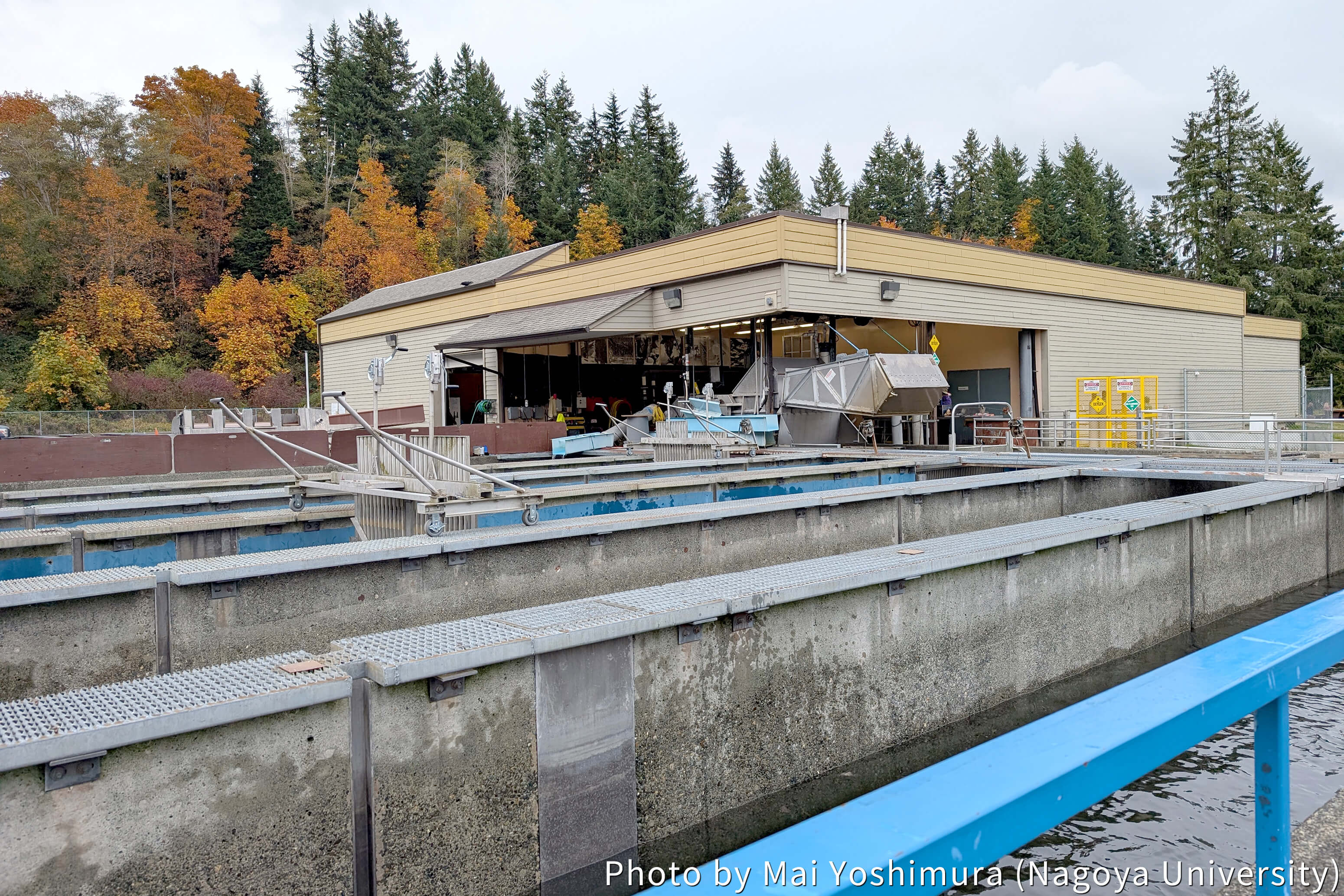
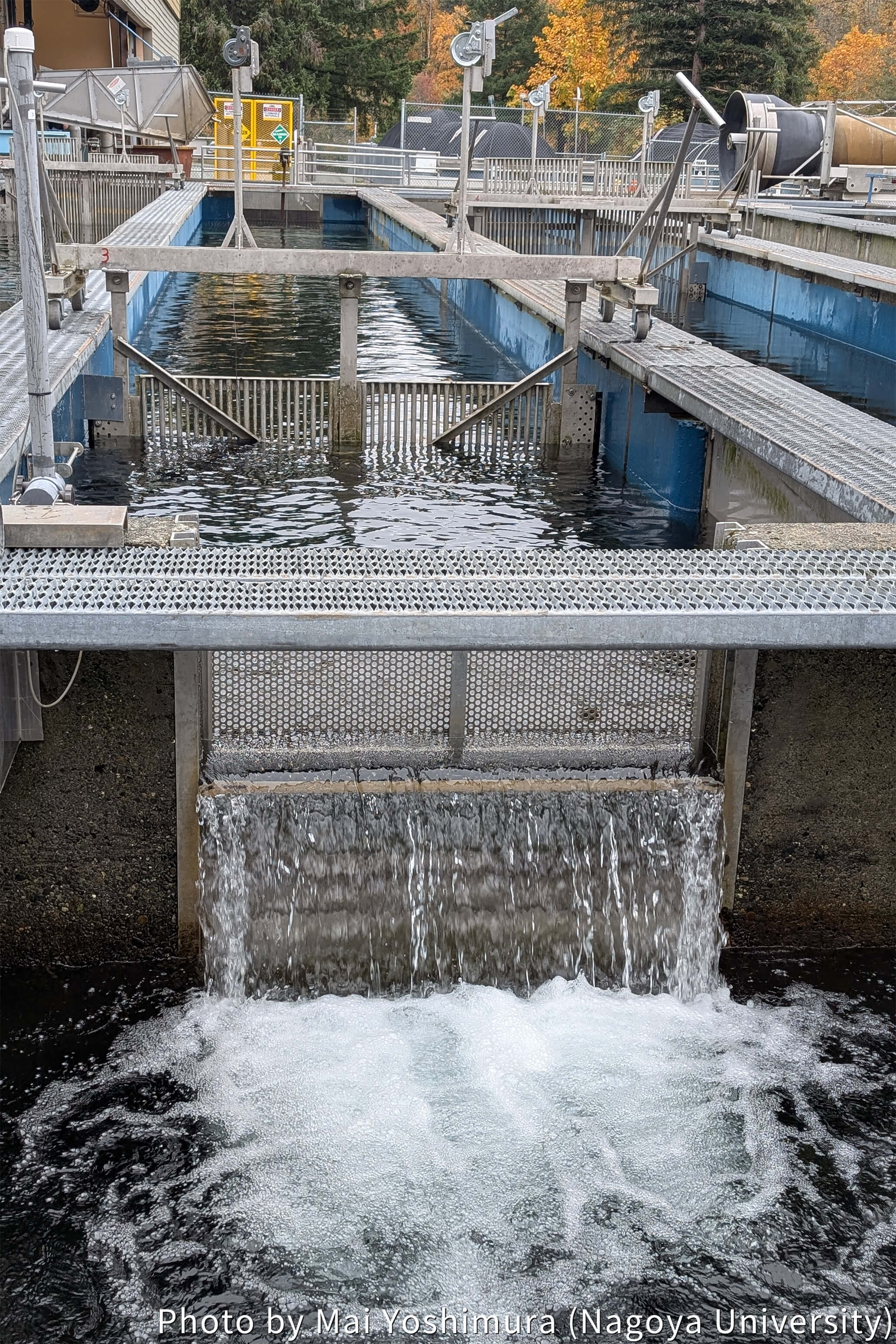
After the fishing ended, we stayed at the home of the Indigenous fisher friend and observed their daily lives. We also visited the Quinsam salmon hatchery (Photos 3 and 4) and inspected a seaweed farm that the Campbell River Indian band had started on a pilot basis. It is no longer unusual for First Nations to operate aquaculture business, but seaweed farming is rare, so we wanted to see it for ourselves.
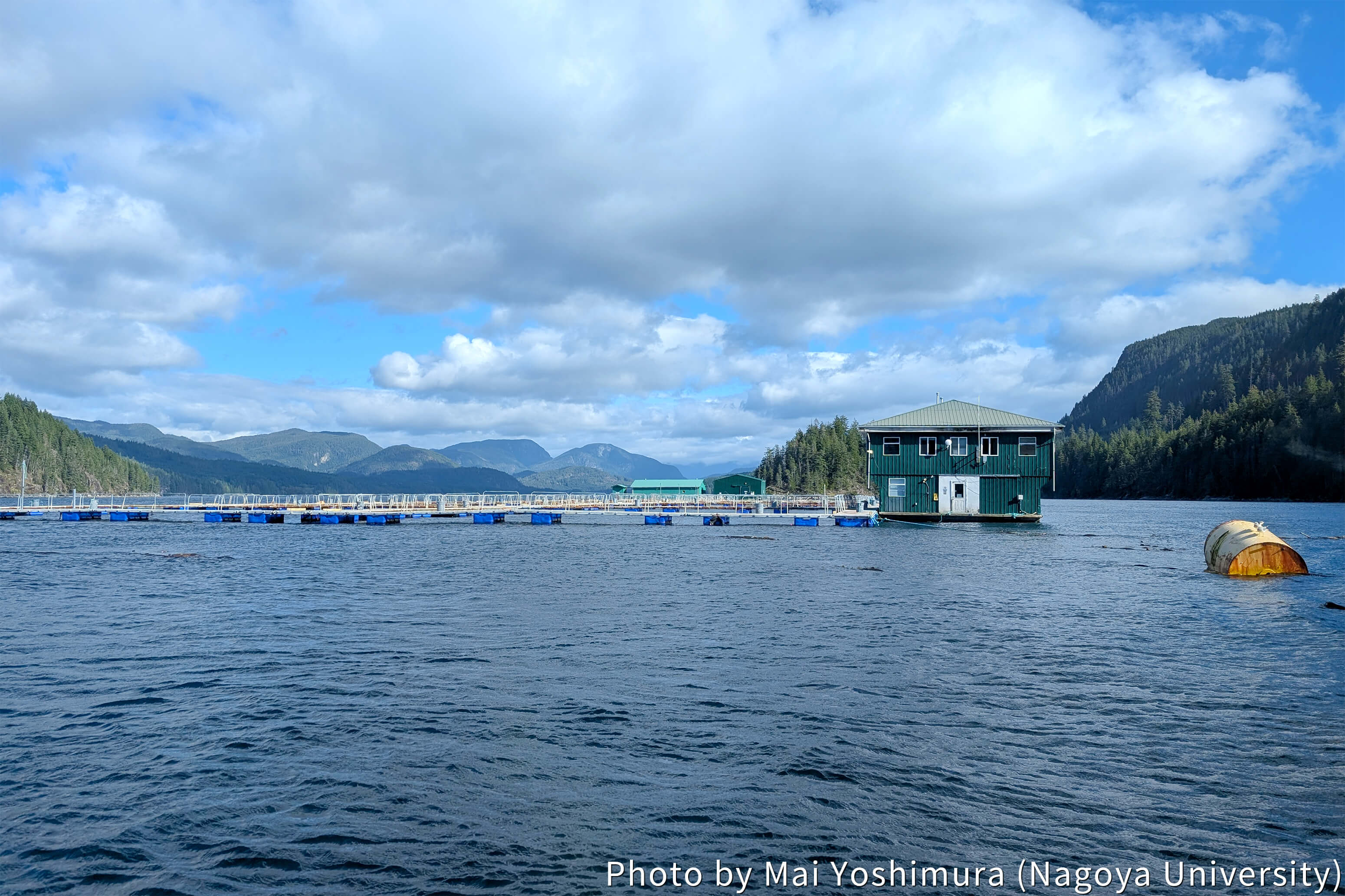
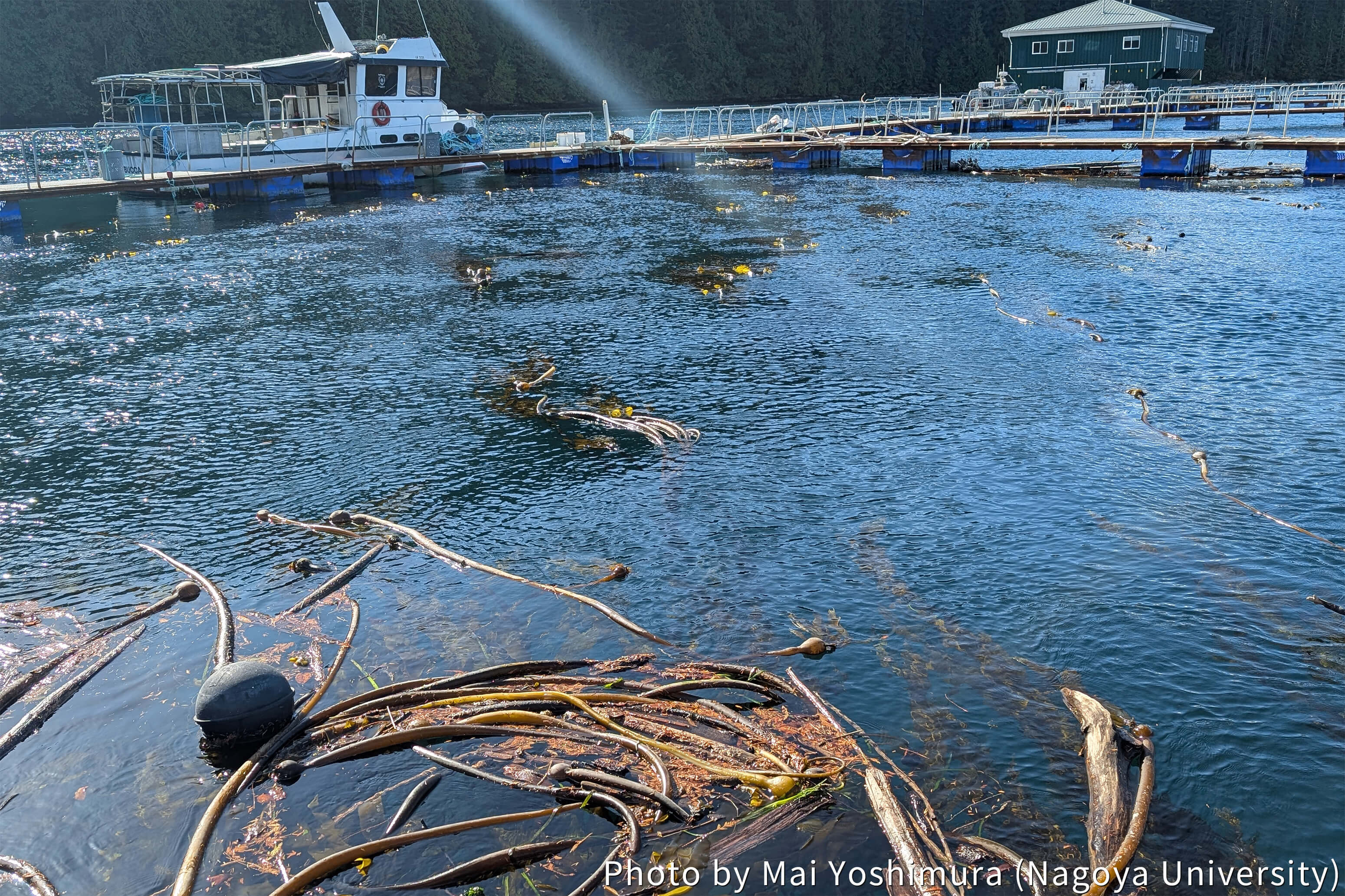
On , we went to Brent Island, where the farm is located, with Erin Latham, the band’s resource coordinator. We were allowed to inspect the farm site (Photos 5 and 6). This farm makes use of the former Celmaq salmon farm site that once existed there. I had thought the Campbell River band’s seaweed farm, which now occupies the site, would be at odds with Celmaq, as the Celmaq’s farm was forced to withdraw by the provincial government (I had confirmed this news in advance). Interestingly, however, this company is now one of the two strong technical supporters for the farm.