
Release date
1 month Research Stay at the Arctic Research Center, Hokkaido University
Post date:
Author: Medha Bhardwaj (4th-year Doctoral Student, Jawaharlal Nehru University)
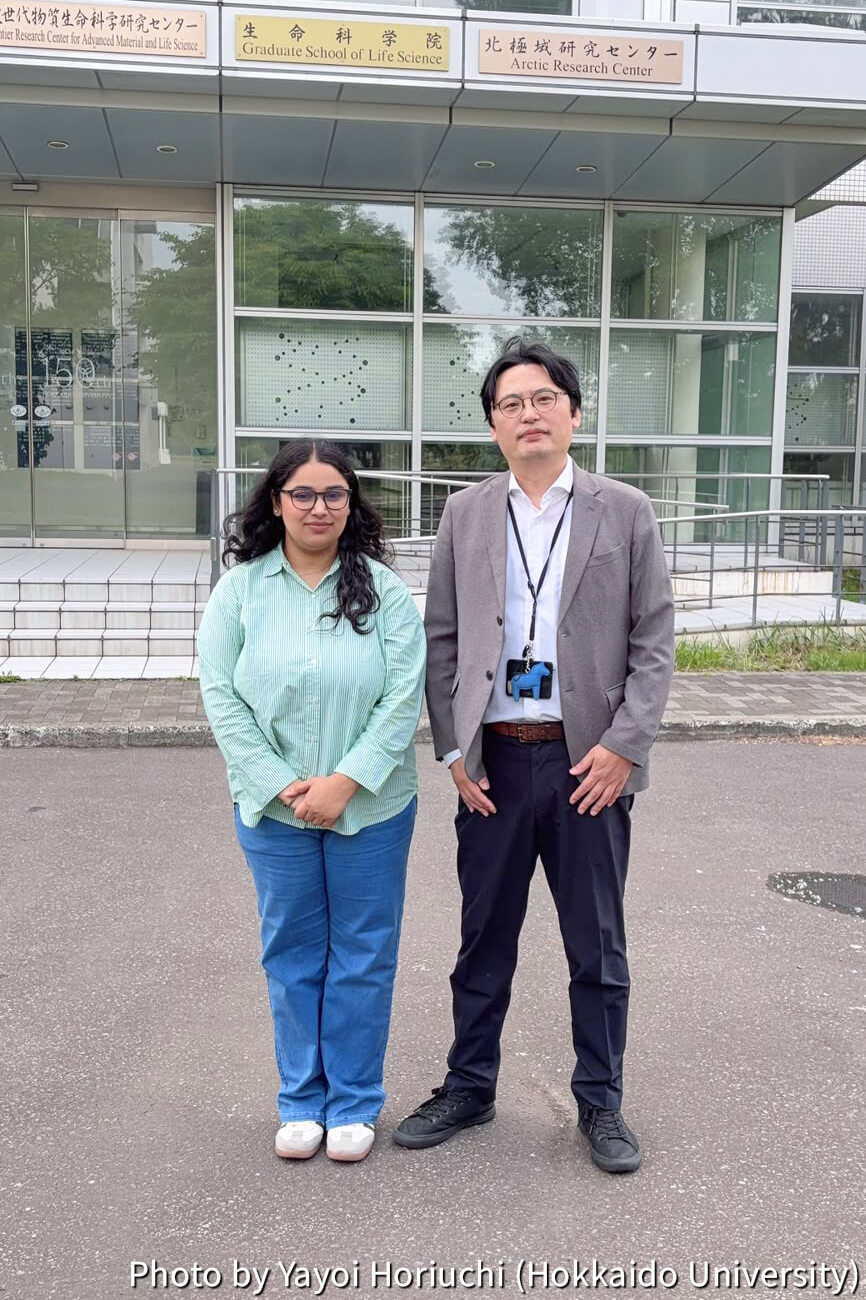
Beginning a promising academic collaboration
I arrived in Sapporo, Hokkaido, on June 6th to commence a research stay as a member of the Arctic Research Center, Hokkaido University, under the supervision of Professor Fujio Ohnishi. The initial two days were devoted to orientation: reviewing my research materials on Indian Arctic and foreign policy and acquainting myself with the city. My first formal meeting with Professor Ohnishi took place on June 10th, during which we deliberated on the scope and structure of the intended research. This discussion marked the beginning of several days of rigorous deliberation, as we worked to identify the most relevant and timely lines of inquiry for the paper. By June 15th, I had consolidated these discussions into a structured proposal, which I presented to Professor Ohnishi in the form of a PowerPoint outline detailing the framework of the research. On June 21st, I submitted the first draft of the paper. The subsequent days involved extensive and intellectually rigorous exchanges with Professor Ohnishi, particularly concerning the incorporation of statements and quotations from policymakers, with the aim of strengthening the empirical grounding and contemporary relevance of the argument.
During this period, Professor Ohnishi also kindly hosted me for dinner on several occasions, which provided valuable informal settings for discussion. These conversations extended beyond the immediate scope of the paper to broader debates on Arctic policy as it pertains to India, China, and Japan, offering me a richer comparative perspective on regional strategic interests in the Arctic. I was also fortunate to interact with other distinguished scholars at the Arctic Research Center. In particular, a discussion with graduate students, Dannier and Liu on Chinese Arctic policy offered valuable insight into Beijing’s strategic posture in the region.
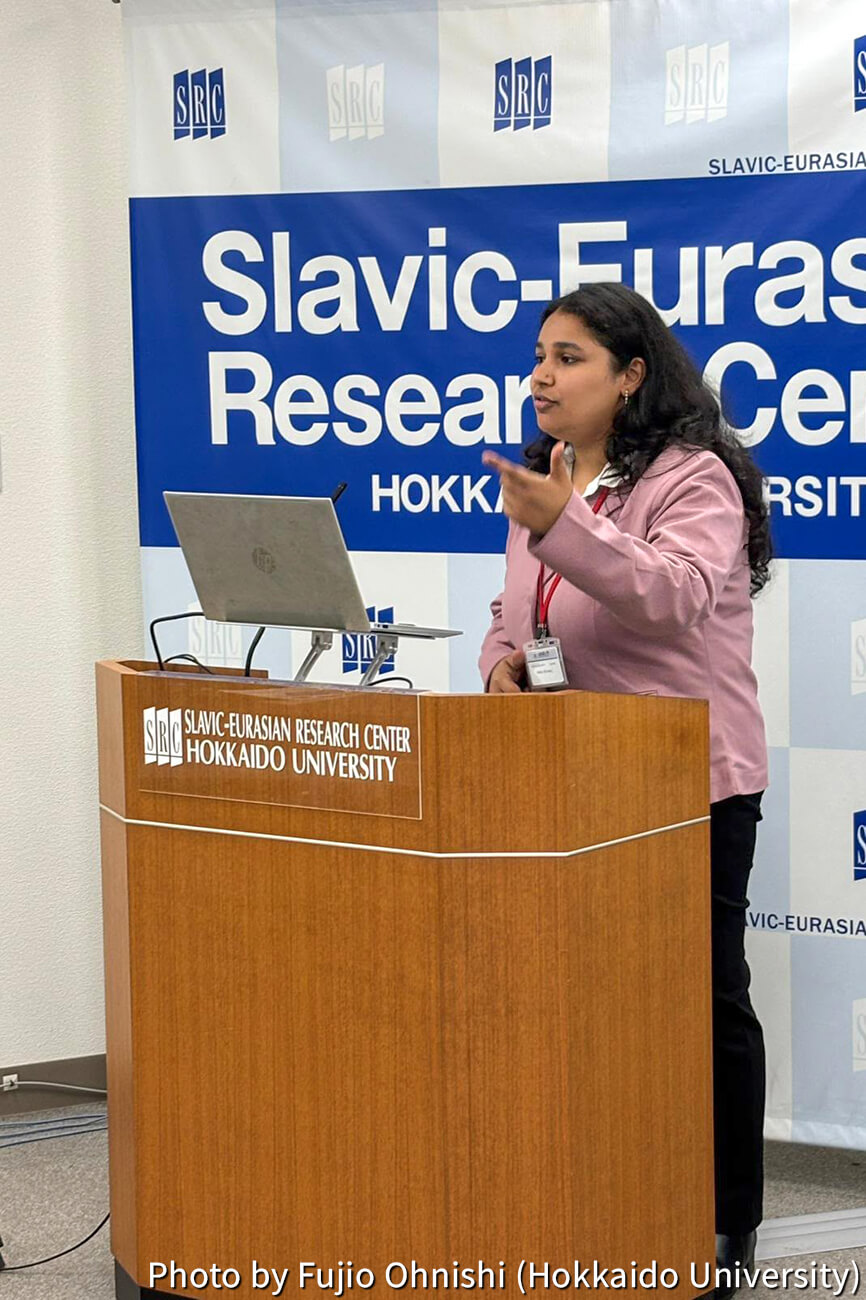
Presenting the culmination of a month-long research journey
On June 26th, I had the opportunity to present my research at the Slavic-Eurasian Research Center, Hokkaido University, on the subject of India’s foreign policy – examining its trajectory from a periphery-oriented approach to one of active engagement. The presentation was well received, and the ensuing discussion proved valuable. Around this time, I also gained a useful introduction to the Finnish perspective on India’s Arctic policy, which added a further comparative dimension to my understanding of how India’s Arctic engagement is perceived by other Arctic stakeholders.
Following two to three additional rounds of revision and discussion with Professor Ohnishi, the research culminated in the first draft of our joint paper on India’s Arctic policy under Modi Government on June 30th. This report is supposed to be submitted to Arctic journals in the coming months for publication purpose.
In retrospect, this period was as valuable for the intellectual rigor it demanded as for the breadth of perspectives I encountered – from the strategic dialogues over dinner to the comparative insights gained through interactions with scholars working on Chinese and Finnish Arctic policy. It was a formative experience in both the substance of Arctic geopolitics and the discipline of producing rigorous, policy-relevant research.