Release date
Reports on Arctic Science Summit Week (ASSW) 2026
Table of contents
From March 25 to April 1, 2026, Arctic researchers and organizations from around the world gathered in Aarhus, Denmark, for Arctic Science Summit Week (ASSW) 2026, an international forum for discussing Arctic research and challenges. Researchers and research institution staff from Japan actively participated through presentations, discussions, and networking. These articles highlight their activities and experiences at the event.
Insights and Aspirations from ASSW 2026
Post Date:
Author: Atsushi Yoshida (NIPR)
Since becoming involved in ArCS III, I have encountered numerous international organizations and initiatives related to the Arctic. However, their activities span such a wide range of fields, and so many abbreviations are thrown around, that I often found it difficult to grasp the bigger picture. Attending ASSW 2026 proved to be a valuable opportunity to develop a comprehensive understanding of these efforts.
On the first day, I attended the final reporting session of ICARP IV (the Fourth International Conference on Arctic Research Planning), held in an impressive Danish-style auditorium. ICARP is a critical process that reviews the current state of Arctic research, identifies priority research areas for the coming decade, and promotes international collaboration. The fact that it takes many years and the input of many researchers to decide these priorities shows how complex Arctic issues are. In the working group on “The Role of the Arctic in the Global System,” which is closely related to my own field of atmospheric science, the need for vertically resolved observations and wintertime observations was strongly emphasized. While I recognized the high technical barriers involved, I was reminded that these are problems we must continue to address.
The Atmosphere Working Group session included activity reports from 2025, introductions of new members and fellows, and discussions looking ahead to IPY-5 (the Fifth International Polar Year). What I remember most from these discussions was a concern about IPY-4. Many observation networks and databases stopped working after the project ended. Instead of creating projects that last only for a short time, we should identify what is truly important and build tools and systems that can continue to be used in the future. I believe this is an important lesson that should be reflected in both my own research and ArCS III.
At the SAS2 session — the follow-on project to the Synoptic Arctic Survey, an international coordinated shipborne observation campaign in the Arctic Ocean — I had the opportunity to observe Japanese researchers, including Dr. Shigeto Nishino (NIPR) and Dr. Mariko Hatta (JAMSTEC), taking leadership roles. Watching them gave me an idea of the skills needed to lead an international project. I also checked the CVs of early-career researchers I met at the venue. Some of them were able to balance active international collaboration with strong research output, which I found very inspiring.
On a personal note, I wore a jacket bearing the logo of Nord Station, which I had purchased during a previous airborne observation campaign in Greenland (PAMARCMiP2018). . To my surprise, several people connected to Nord noticed the logo and started conversations with me. It was not a cheap purchase, but it turned out to be very useful as an icebreaker in international settings.
Attending ASSW 2026 in person helped me turn a vague overall picture into a much clearer understanding. At the same time, as I learned about the many ongoing activities, I found myself wondering whether some of them might overlap. There may be background or context that I do not yet fully understand. Moving forward, I plan to follow IASC activities, including ASSW, more closely as I consider how best to engage with the international Arctic science community.
Next year, ASSW 2027 will be held in Hakodate, Japan, where I will serve as a member of the Local Organizing Committee (LOC). With this in mind, I also looked at this year’s meeting from an organizational point of view and became more aware of the many details involved—such as venue arrangements, program design, and catering. I hope to make good use of the knowledge and connections I gained through this experience, both in ArCS III activities and in helping make ASSW 2027 in Hakodate a success.
Report of attending ASSW 2026 at Aarhus
Post Date:
Author: Shuntaro Hata (NIPR)
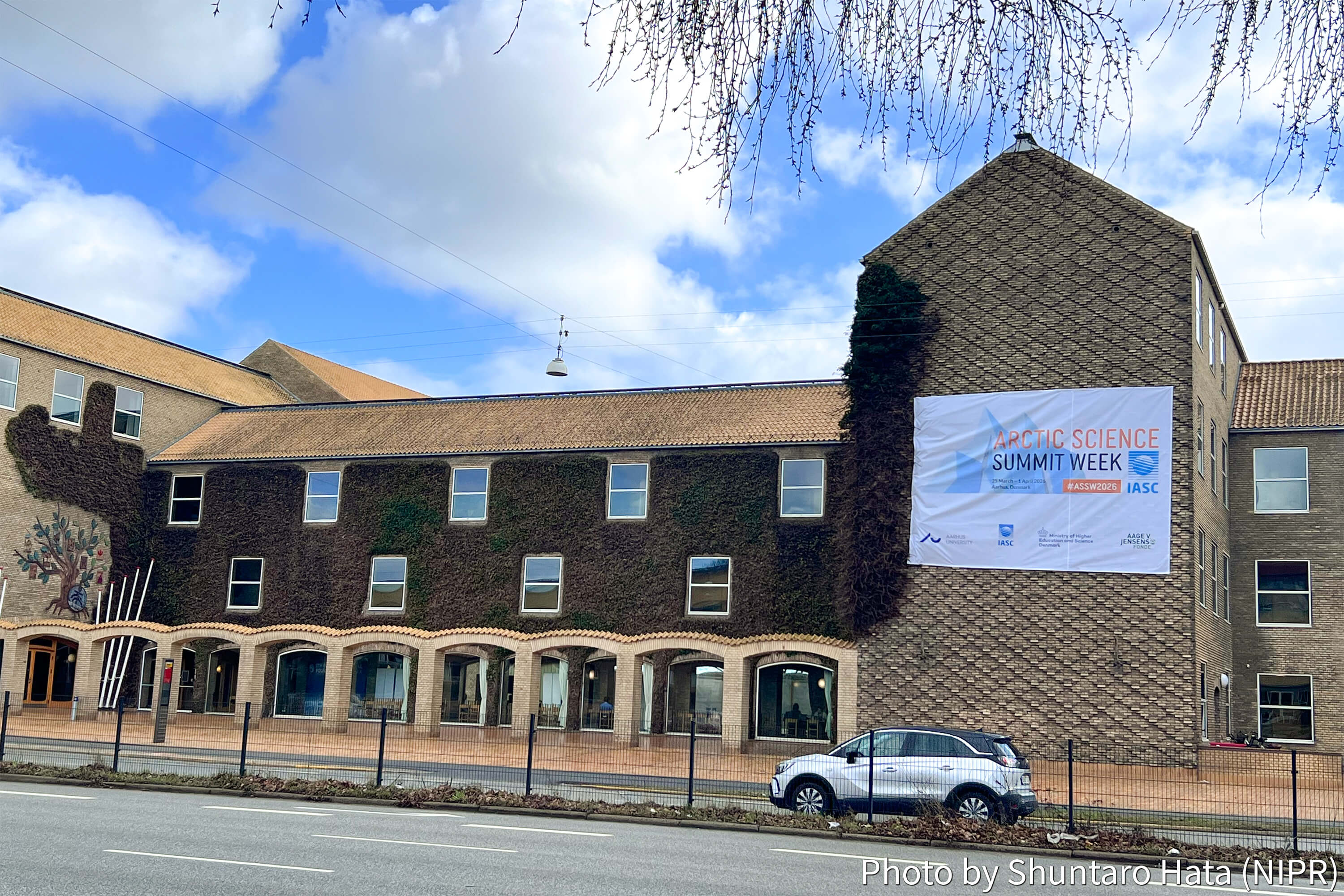
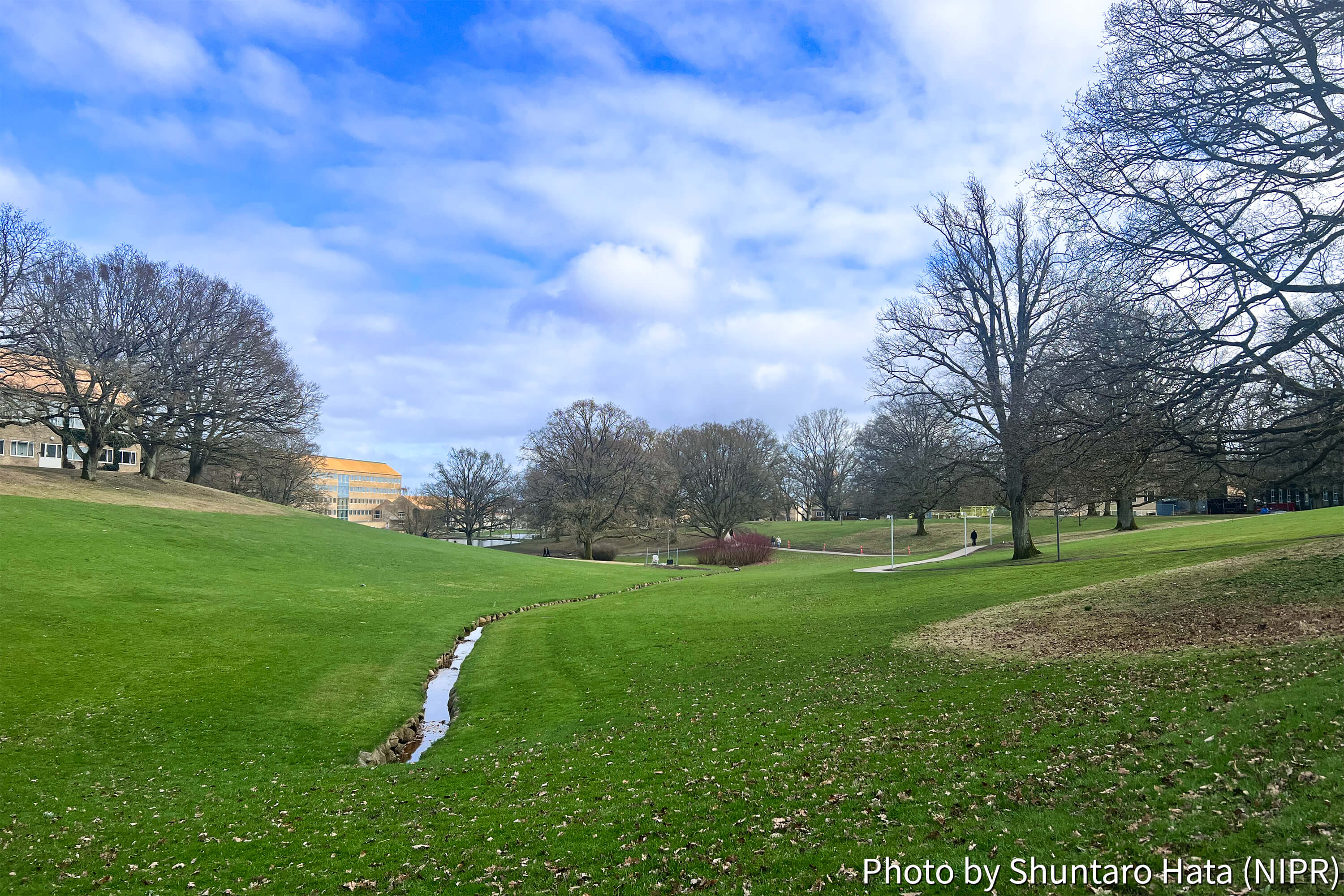
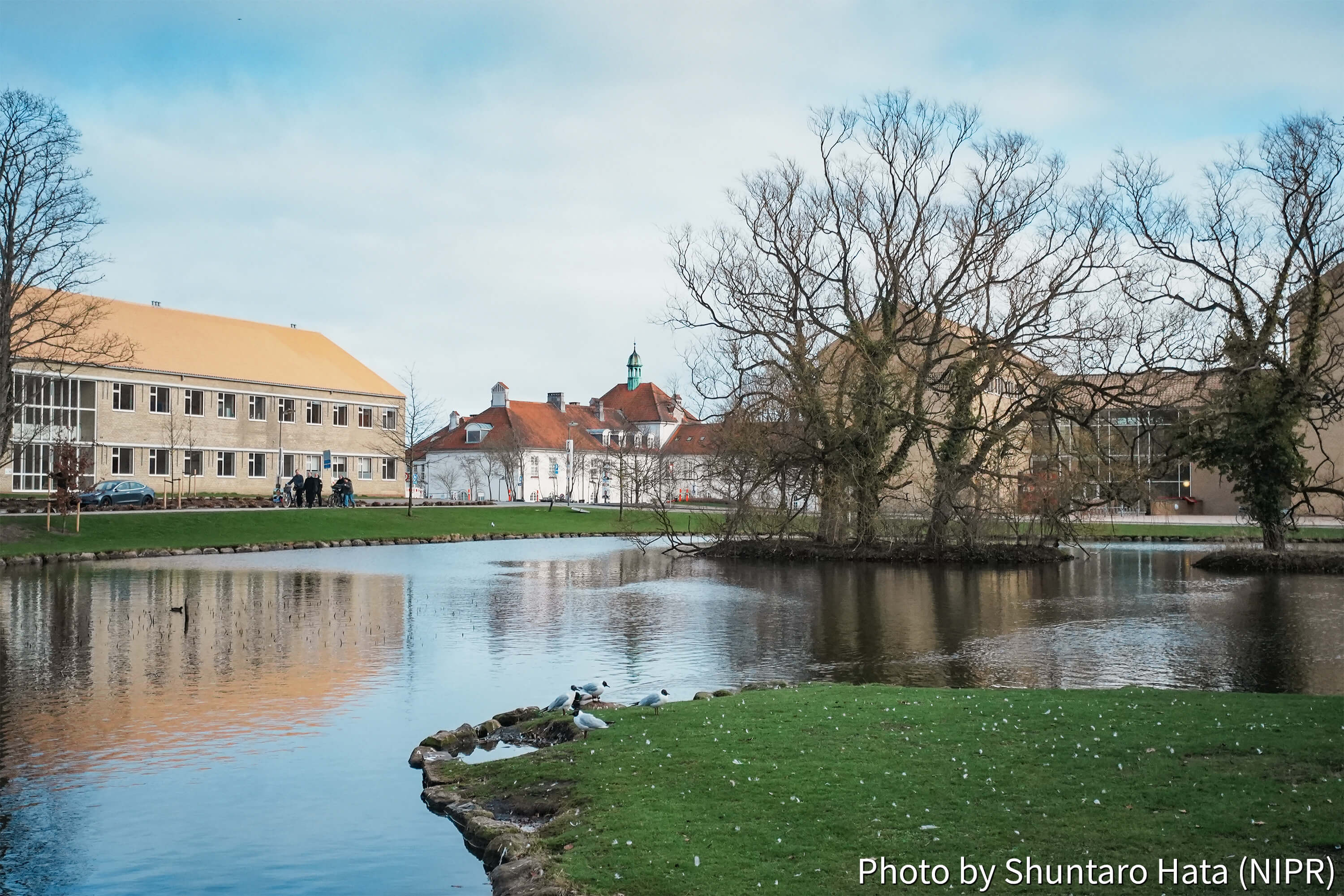
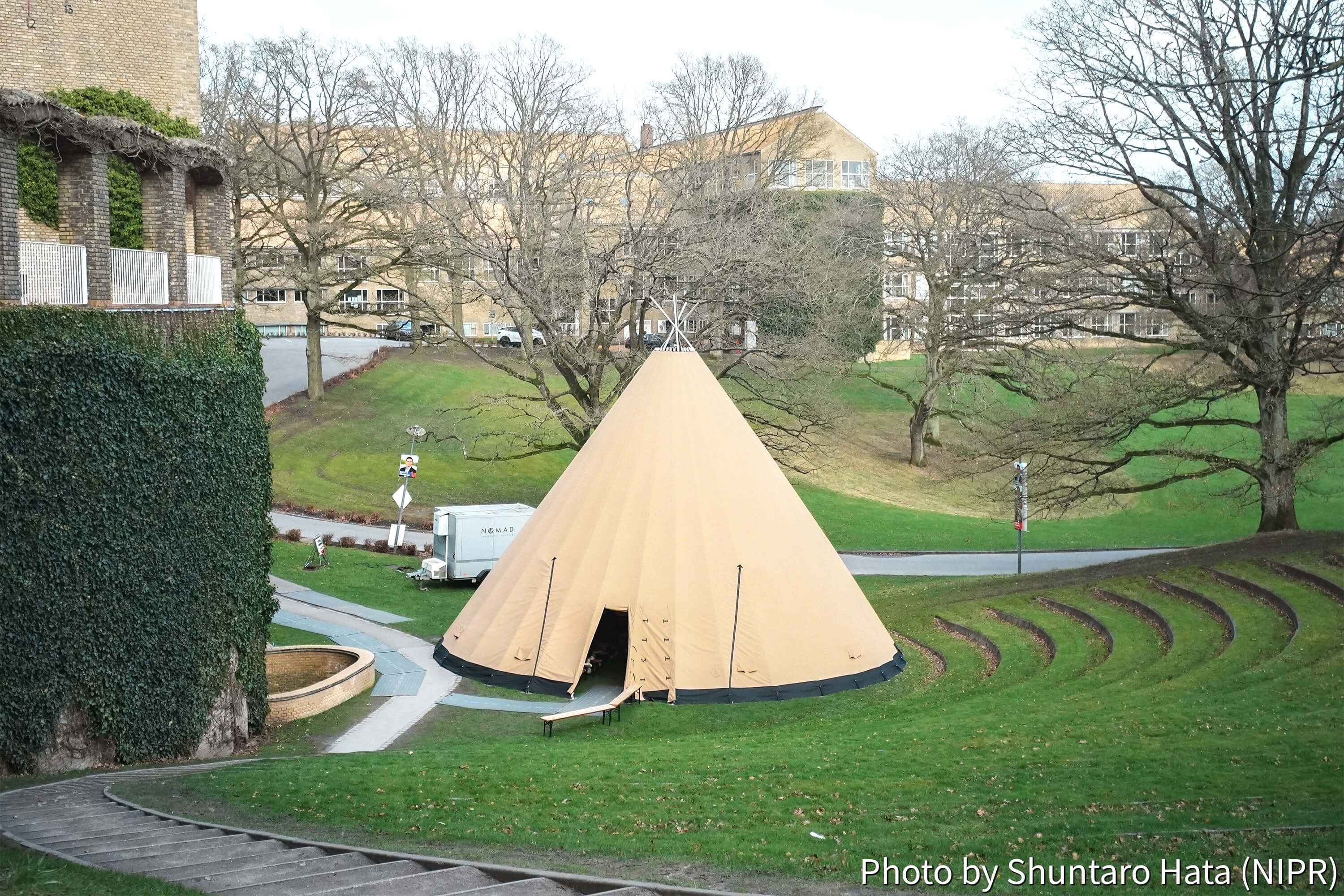
I participated in the Arctic Science Summit Week (ASSW) 2026, which was held in Aarhus, the second largest city in Denmark, from to .
At the IASC Joint Working Group Meeting on the first day, the President of IASC gave an opening address, followed by the introduction of the newly selected IASC Fellows. After that, the outlines of the cross-cutting projects conducted in 2025 were presented. Many of the projects were workshops and field-based training courses. In almost every project report, the number of Early Career Scientists (ECS) participating in the activities was highlighted. For example, “The 6th International PaleoArc Conference,” organized as a joint cross-cutting project between the Cryosphere and Marine Working Groups, attracted more than 80 participants from 16 countries, and nearly half of them were ECS. I was impressed by the large number of young researchers involved in the project.
The meeting of the IASC Cryosphere Working Group (CWG) was attended by approximately 30 participants. From Japan, in addition to Dr. Masahiro Minowa from Hokkaido University, who serves as the Japanese representative to the CWG, Mr. Hida from JAMSTEC, Prof. Hiroyuki Enomoto and Prof. Tetsuo Sueyoshi from NIPR, and myself attended the meeting. It was impressive that most of the members who actively manage the CWG, including the Head, Kelly Hogan, were women.
During the meeting, the CWG activities in 2025 and updates from each country were shared. Since the deadline for the 2026 cross-cutting project proposals had just passed, introductions of all submitted projects were also shared to the participants, totaling around 20 proposals. In addition, reports were presented on the 2025 cross-cutting projects that had already been introduced at the Joint Meeting. A sea-ice-related program, CIce2Clouds, which had been held at Lake Saroma just before ASSW 2026, attracted considerable attention. It was reported that about 200 applications had been received, which prompted a question from the audience regarding how participants were selected from such large applicants. The organizers explained that they considered factors such as the applicants’ career stages, their motivation as reflected in the application documents, and how beneficial the program would be for each applicant. This provided a useful perspective for future applications to similar programs.
As I was planning to visit Svalbard in next June, I attended the session “Svalbard Session Towards IPY5” on March. In this session, it was reported that a national committee for IPY-5 had been established in Norway, and future research strategies for Ny-Ålesund in preparation for IPY-5 were introduced. Future research topics of interest were presented for several long-term research fields, including atmosphere, glaciology, the Kongsfjorden system, and terrestrial ecosystems. Presentations were also given on activities such as ICARP (International Conference on Arctic Research Planning) and EU-PolarNet, but I gained the impression that research activities in Ny-Ålesund remain one of the flagship components of Arctic research planning.
This was a type of international meeting that I do not usually attend. Through the discussions, I understood that the meeting serves as a platform for sharing national priorities and building a common understanding for advancing Arctic research. It also reminded me that international cooperation is particularly important in the Arctic region.