Release date
Swiss Alps Fieldwork 2026
Post Date:
Author: Reina Ebihara (SOKENDAI)
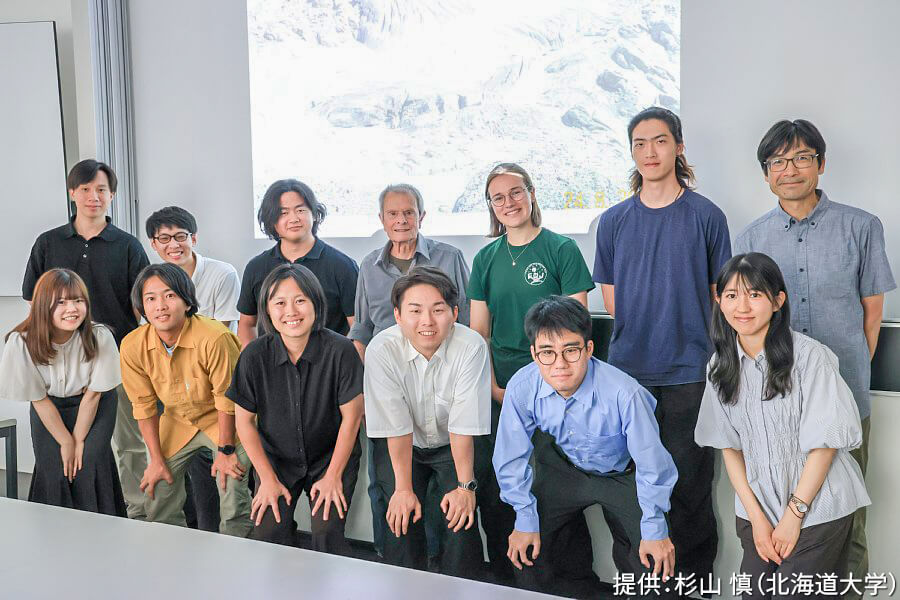
From to , I participated in a field course in the Swiss Alps. This year, a total of eleven students took part: five from Hokkaido University, three from the Graduate University for Advanced Studies (SOKENDAI), two from the University of Oslo, and one from Tohoku University. The course provided a valuable opportunity to learn together with students from different universities and research backgrounds.
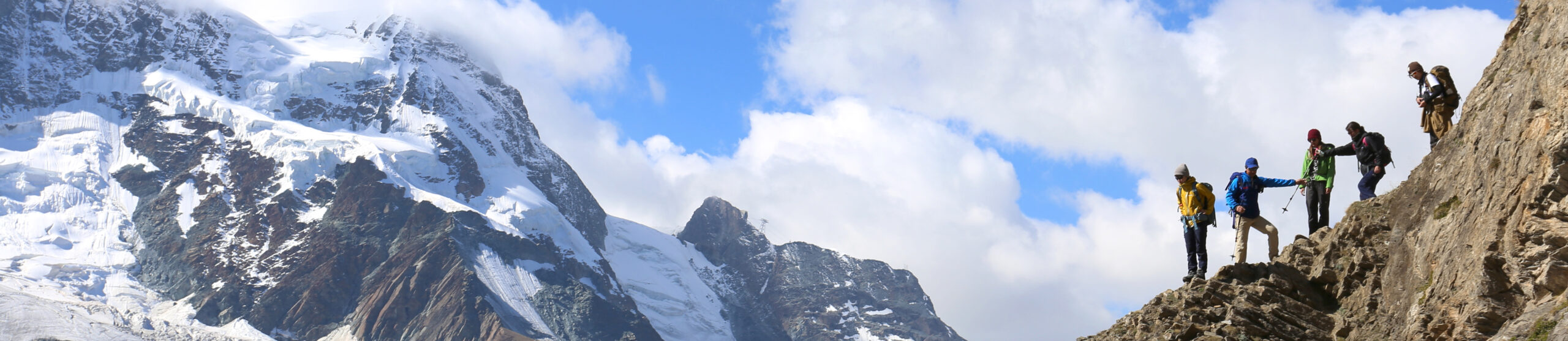
During the course, we carried out a wide range of field observations, including GPS measurements on the glacier, measurements of river discharge and flow velocity, monitoring of glacial lake water levels, observations of atmospheric pressure and precipitation, and the observation of snow and ice algae. Working directly on and around the glacier helped me connect what I had previously learned from lectures and academic papers with the actual scale and conditions of the field. I also realized the importance of adapting to changing weather, terrain, and other field conditions while conducting observations. The course also encouraged me to think about how glacier change, meltwater, meteorological conditions, and biological activity are interconnected. (Photo 1 and 2)
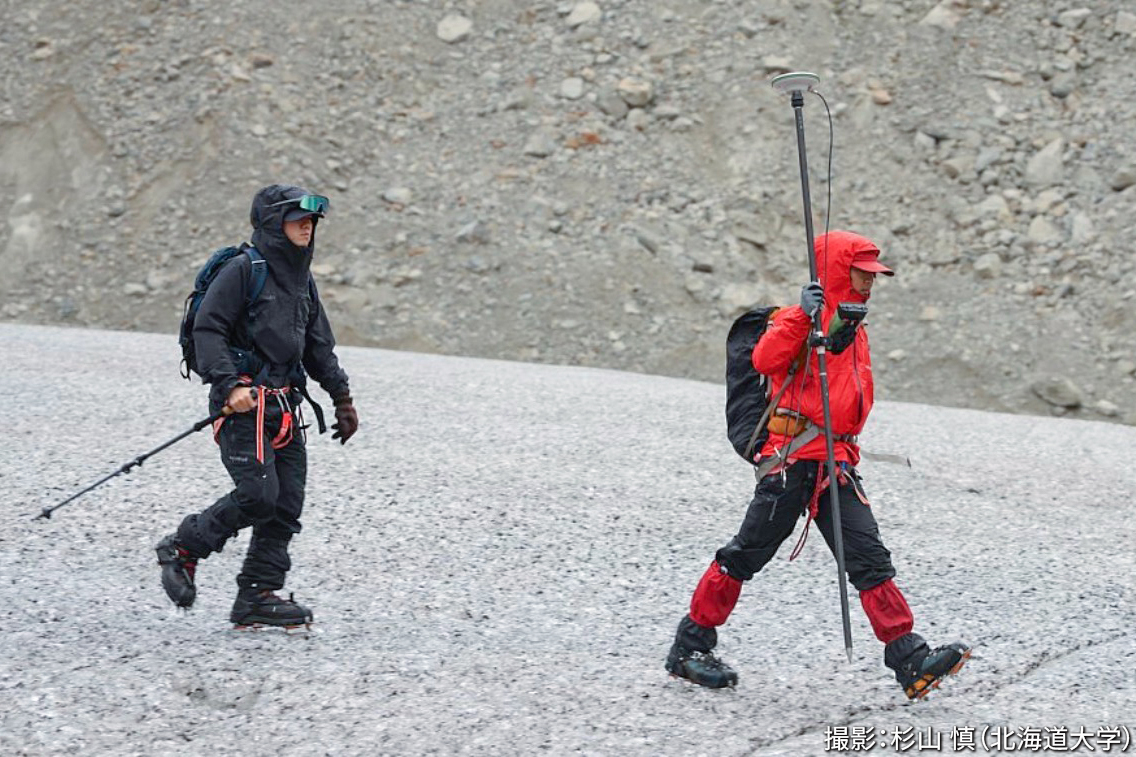
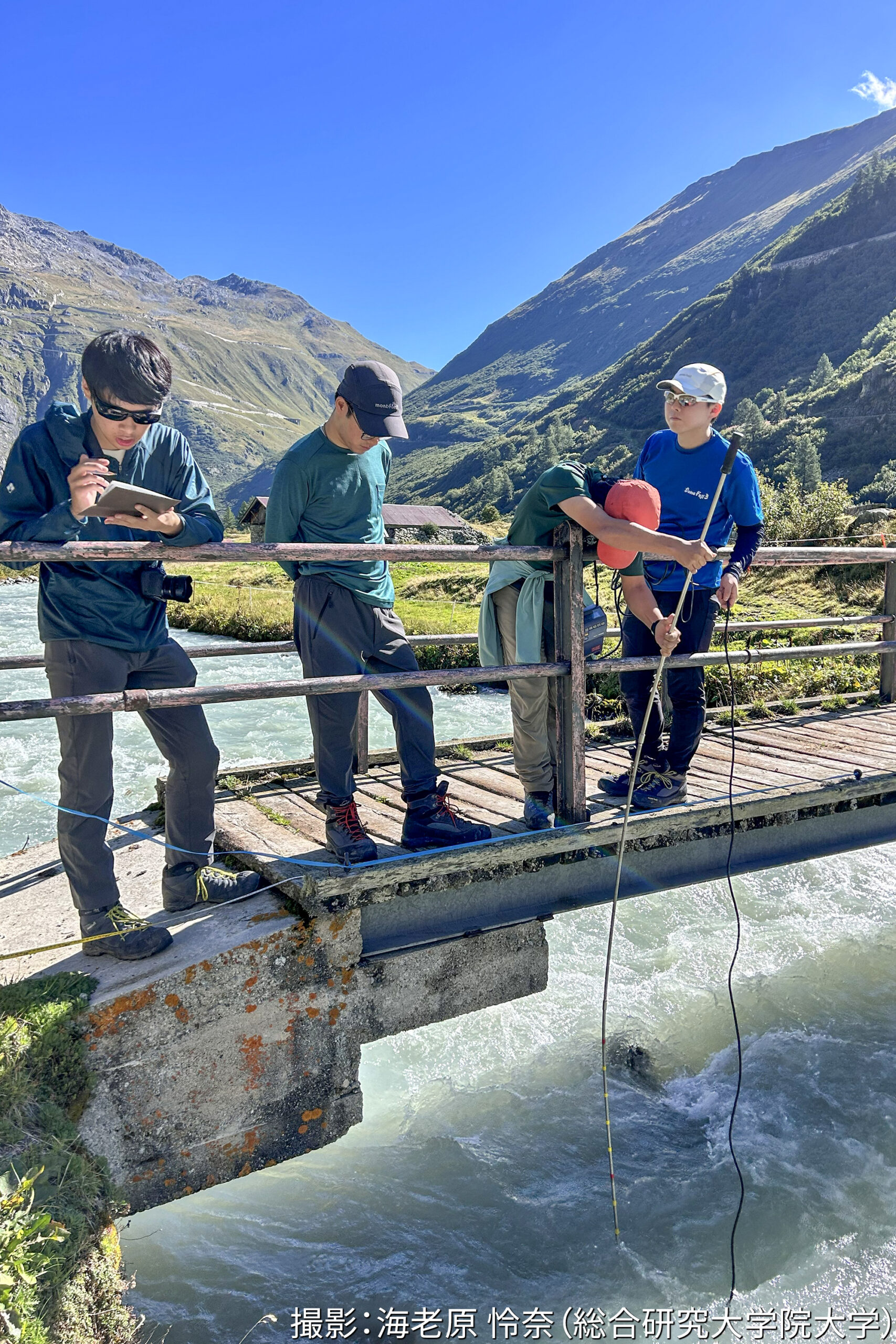
During the course, we carried out a wide range of field observations, including GPS measurements on the glacier, measurements of river discharge and flow velocity, monitoring of glacial lake water levels, measurements of atmospheric pressure and precipitation, and observations of snow and ice algae. Working directly on and around the glacier helped me connect what I had previously learned from lectures and academic papers with the actual scale and conditions in the field. I also realized the importance of adapting to changing weather, terrain, and other field conditions while conducting observations. The course also encouraged me to think about how glacier change, meltwater, meteorological conditions, and biological activity are interconnected. (Photo 3 and 4)
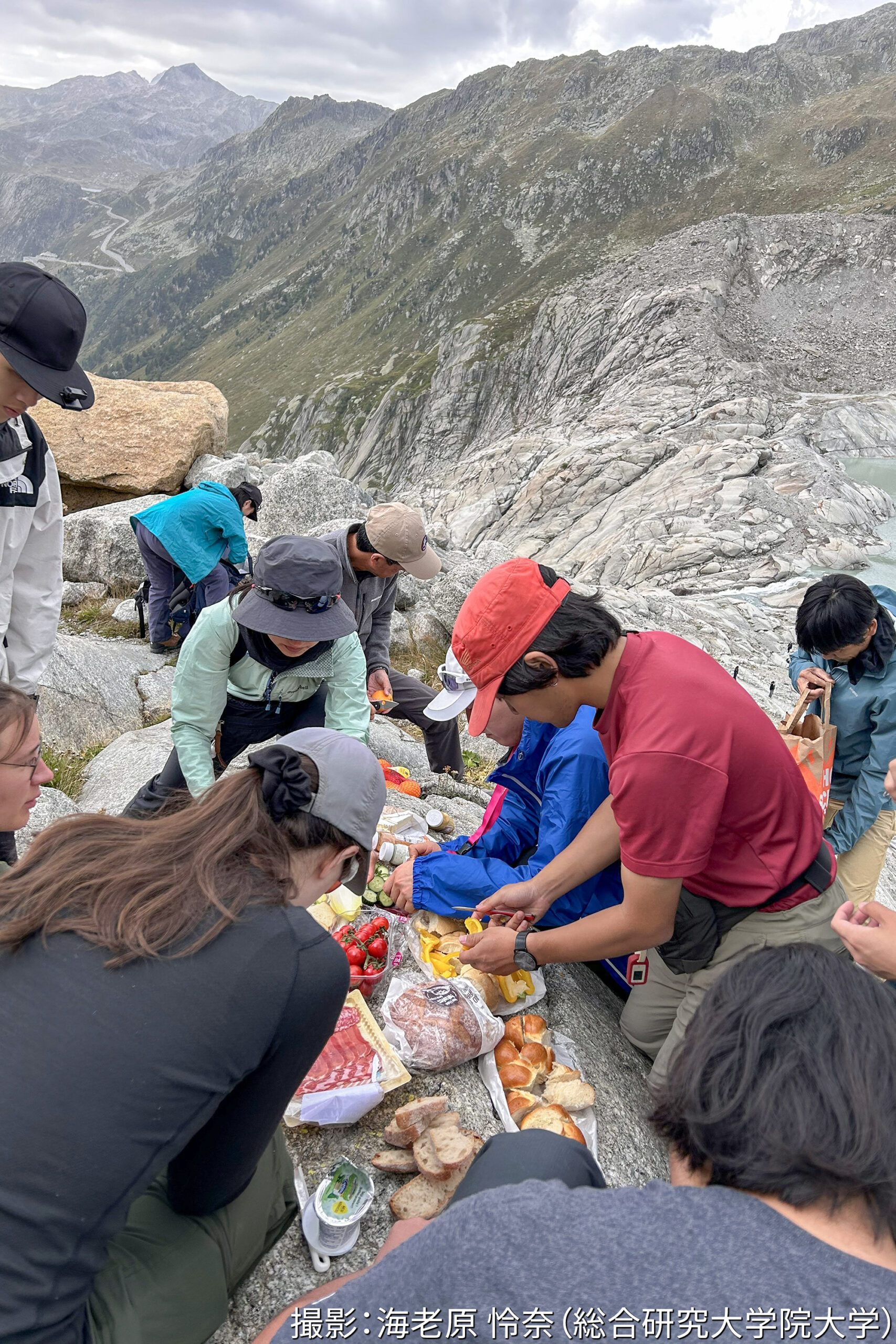
One of my favorite memories from the course was having lunch together between the field observations. Sitting among the spectacular mountains and glaciers, we enjoyed bread and cheese while taking in the surrounding scenery. The food tasted especially good in such an impressive landscape, making these lunches particularly memorable. Through these two weeks, I gained not only practical knowledge and experience in glacier observations, but also a greater appreciation for learning and working with students from different backgrounds. I hope to make use of these experiences in my future research. (Photo 5)
Post Date:
Author: Yuya Oka (SOKENDAI)
From to , I participated in a field course in the Swiss Alps. A total of eleven students from Hokkaido University, the Graduate University for Advanced Studies (SOKENDAI), Tohoku University, and the University of Oslo took part in the course. Over approximately two weeks, we learned about glaciers and their surrounding environments through lectures, field observations, and practical exercises.
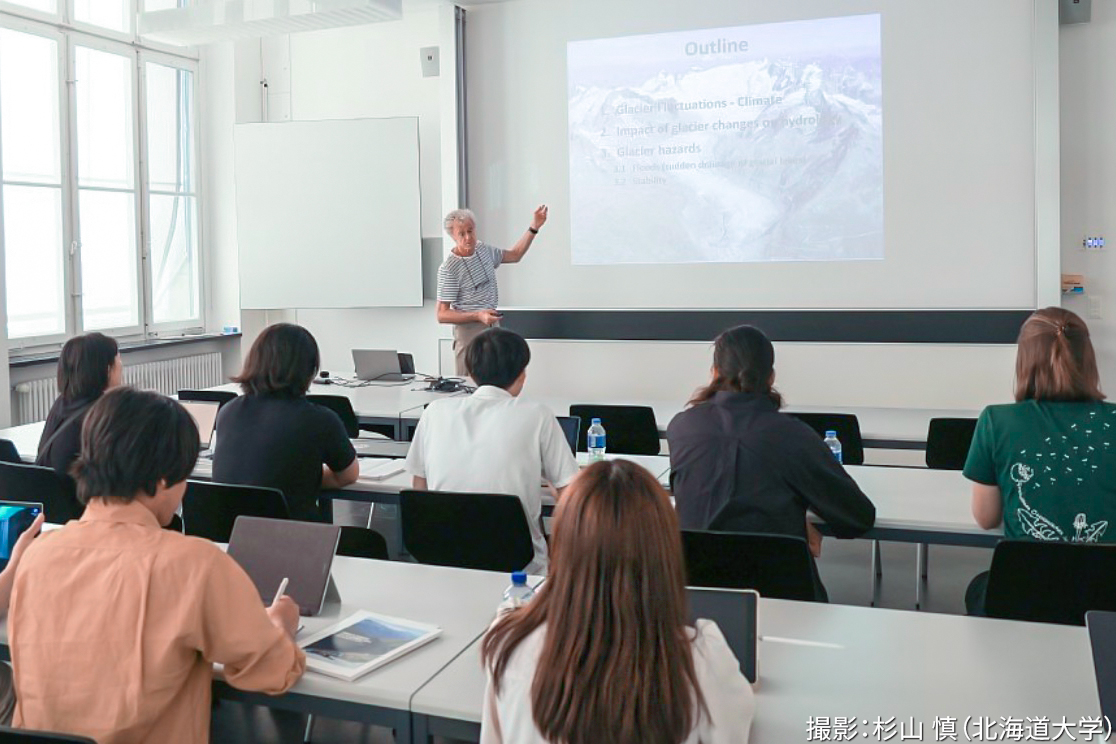
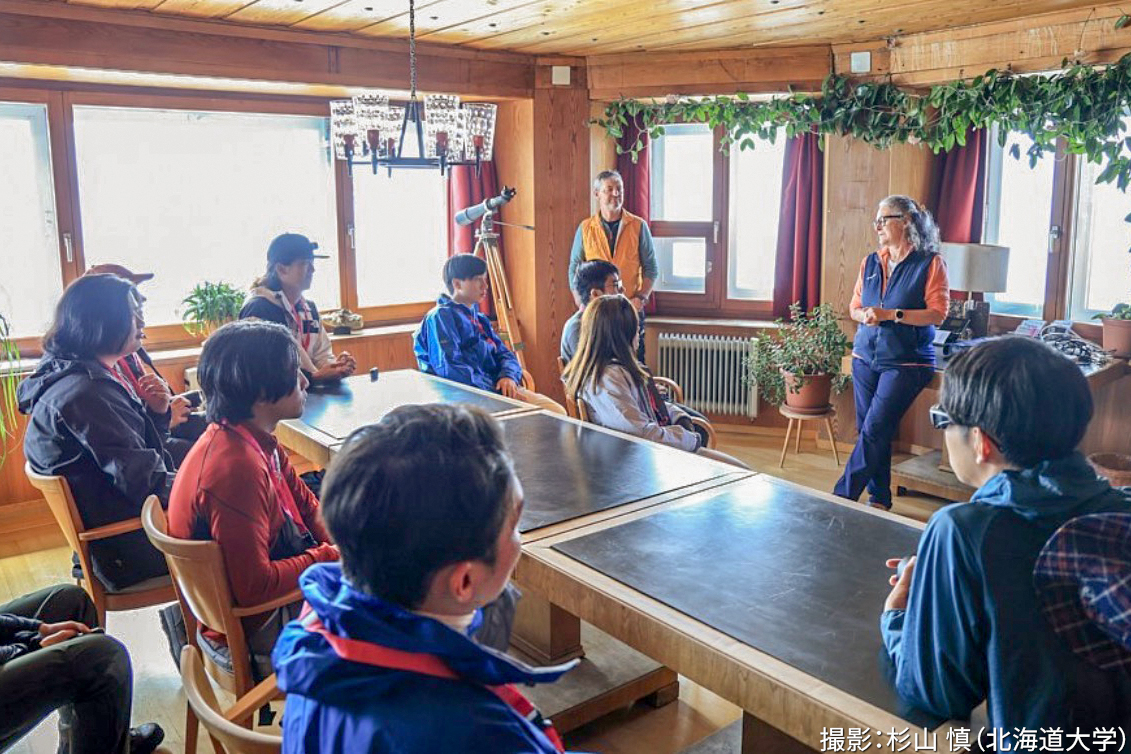
In the first part of the course, we attended lectures at ETH Zurich on glaciers and climate change. We also visited the High Altitude Research Station Jungfraujoch, where we learned about atmospheric, snow, and ice observations conducted in high-elevation environments. Visiting the actual research facilities gave us a clearer sense of the conditions under which observations we usually learn about in lectures and scientific papers are carried out.
During the following field activities, we mainly worked on and around the Rhône Glacier. We conducted GPS measurements on the glacier, measured river discharge and flow velocity, monitored glacial lake water levels, and carried out meteorological observations. We also observed and collected snow and ice algae and cryoconite, a dark material composed of microorganisms and mineral particles, from the glacier surface, and later examined the collected samples under a microscope. By observing not only the glacier itself but also meltwater, meteorological conditions, and biological components using different methods, we were able to gain a more comprehensive understanding of the glacier environment.
One of the most memorable parts of the course was walking on the glacier and conducting observations there. On the Rhône Glacier, we were able to see many crevasses as well as dark glacier surfaces covered with cryoconite at close range. We also took part in safety training for a potential fall into a crevasse. This experience taught us that safe fieldwork requires not only appropriate observation techniques but also careful safety management.
Throughout the two-week course, we experienced the entire process, from lectures and field observations to sample examination, data analysis, and presentations. Working together with students and researchers from different academic backgrounds also gave us an opportunity to think about snow and ice environments from a broader perspective, including glacier flow, meltwater, and meteorological conditions. I hope to make use of the knowledge and experience gained through this course in my future research.